
Beyond the Lens: Exploring the Digital Art of Chris Clor
Today we explore the work of Chris Clor. Based in London and owner/lead artist at Plush Studios, Chris doesn’t just photograph vehicles - he reimagines them. By blending photography with advanced CGI, he creates scenes that often feel more real than reality itself - defining the ‘hyper-realism’ space where automotive art and design meet cinematic storytelling.
PHOTOGRAPHYCGI
TorqArt
1/17/20267 min read
Torqart: Can you tell us about your journey into photography and digital art, and what sparked your interest in this field?
CC: My career began in the suburbs of Detroit, Michigan, fueled by a lifelong passion for commercial photography. In 1991, I established my first professional studio, where I took an early interest in digital innovation. Despite Photoshop being in its infancy, I immediately integrated it into my workflow, later transitioning to Live Picture for high-end compositing, and then back to Photoshop when Live Picture was discontinued.
In 1993, I expanded my capabilities into the 3D space. Beginning with Alias Sketch, I began incorporating CGI elements into my photo-compositions. After exploring various modelling and CG platforms—including Strata Studio Pro, Electric Image, and Form-Z—I settled on Cinema 4D and eventually transitioned to Maya and 3ds Max.
Today, I mainly use Unreal Engine and either 3dMax or Blender for various modeling or data prep work.
While my foundation remained in photography and cinematography, my work had evolved to meet the growing demand for sophisticated CGI. Based in Detroit, the heart of the American automotive industry, I developed a specialized portfolio collaborating with major agencies representing General Motors, Ford, and Chrysler.
In 2011, I relocated to London, where I continue to provide high-level creative services to my long-standing US clients while expanding my reach within the UK market.
Torqart: At Plush Studios you create digital imagery for a variety of different products and themes – what is it about cars that keeps you engaged as an artist compared to other subjects?
CC: A lifelong car enthusiast, I was shaped by the muscle car era and a hands-on upbringing assisting my father with vehicle repairs. This passion led to three years of formal automotive study, giving me a deep mechanical understanding that still inspires my creative work today.
As both a photographer and CGI artist, I bridge the gap between technical precision and artistic storytelling. I am dedicated to bringing cars to life, ensuring that every still image and animation resonates with the power, design, and emotion that defines the automotive experience.
Torqart: Could you walk us through your creative process when starting a new project, and what are some of the potential challenges that you face when creating renders that blend photography with CGI elements?
CC: My creative process begins with visualizing a unique narrative for each vehicle. Whether I am working with a refined luxury sedan, a high-performance sports car, or a modern-day muscle car, I believe each requires a distinct visual treatment to resonate with its audience.
Historically, I have photographed my own background environments to maintain absolute creative control over my backplate work. However, the integration of Unreal Engine has transformed my workflow; I have now shifted toward building fully realized digital environments, allowing me to tailor every detail of the atmosphere and lighting to perfectly suit the vehicle's story.
Torqart: There’s a sense of drama in many of your renders - how do you develop the ‘mood’ or ‘story’ for a specific vehicle?
CC: My philosophy is deeply rooted in my love for cinema and drama. I believe a successful image must have a profound impact, it should feel as though it were a single, deliberate frame clipped from a much larger cinematic sequence. By capturing a sense of motion and mood in a still image, I aim to spark the viewer’s imagination, allowing the broader story to unfold in their mind.
Torqart: Outside of the automotive world – who (or what) has had the most influence on you in terms of composition and lighting?
CC: My creative vision has been shaped by a diverse range of masters across photography and fine art. Early in my development, I was profoundly influenced by the bold color palettes of Pete Turner and Eric Meola, the iconic style of Bert Stern, and the unparalleled technical precision and tonal range of Ansel Adams. Conceptual photographer Michel Tcherevkoff is also one of favorites and I was fortunate enough to spend some time with him in his studio in NY.
In addition to photography, I draw significant inspiration from the world of painting. The haunting solitude and light of Edward Hopper, the textural realism of Andrew Wyeth, the surrealism of Salvador Dalí, and the structural mastery of Cézanne all inform my approach to composition. I firmly believe that if you want to master dramatic lighting, you must study the classic painters; their ability to manipulate shadow and atmosphere reveals the fundamental secrets of visual storytelling.
Torqart: What are some of the key techniques or tools you use to produce your renders?
CC: First and foremost, I approach each project as a photographer. Lensing, lighting, and composition is filtered through my photographer mind first and then translated into CGI. So it’s really a visualization technique I use first and foremost. There are times I may choose a specific 3D software/renderer depending on the image in order to achieve the desired results.
Torqart: You have a very distinct way of handling specular highlights and shadow depth – can you summarize what defines Plush Studios work?
CC: I spent my early photographic career shooting with film. Shadows and highlights were carefully controlled due to the somewhat narrow latitude especially with transparency films compared to modern day digital cameras. I still prefer a film look and have even developed a suite of CGI/Post techniques to remove the ‘digital look’ from digital captures and especially CGI renders. I call this, Reel Film FX. This technique gives the image the dimensional look of film, the nuanced color, and highlight and shadow rendering that emulate film photography.
Torqart: What advice would you give to someone looking to start a career in automotive visualization?
CC: Learn to visualize. Visualization is your creative compass. In a digital world of infinite possibilities where you can change the sun’s position with a click or swap a lens in a second, it is easy to get lost in the "tweaking." Without a clear mental image, you end up chasing the software rather than leading it. Mastering visualization means you aren't just clicking buttons to see what looks good; you are executing a specific plan to bring a mental concept to life.
Torqart: In your opinion, what is more important to master first, the CGI software, or photography, lighting and composition?
CC: To those entering the industry today, I advocate for a specific order of mastery each laying the foundation for the next: first, learn to visualize; second, master photography; and third, command of the CGI software. Only once you have built that foundation should you integrate AI into your workflow. In the modern landscape, AI proficiency will undoubtedly be a requisite, but it must be guided by a photographic mind and a visionary’s intent to be truly effective.
I am a firm believer that mastering the fundamentals of photography is the essential foundation for any visual artist over learning a 3d program. The best way to learn is to pick up a 35mm film camera. Shooting film forces a level of discipline that digital cannot replicate; when mistakes are costly, the lessons are etched into your memory. By studying the specific characteristics of focal lengths and the nuances of depth of field across various apertures, you develop a 'photographic eye' that serves as the ultimate compass when navigating the infinite choices of a 3D environment.
Torqart: As AI and real-time engines like Unreal are increasingly impacting the process of rendering - where do you see the future of digital visualization heading?
CC: Throughout my career, I have witnessed major industry shifts, most notably the transition from film to digital. While that evolution democratized the medium, it also gave rise to the 'good enough' standard, where cost-savings often took precedence over craft. We are seeing a similar trajectory today with the advent of AI. While AI will undoubtedly be adopted for the vast majority of visualization projects, I believe it will ultimately follow the same path as the digital transition: it will automate the 'bread and butter' assignments, leaving only the most complex, high-end work to a select few artists.
In an era where AI can generate an image, the value of an artist shifts from the ability to produce to the ability to curate, visualize, and execute with a level of intentionality that 'good enough' cannot reach. My focus remains on that high-end tier—where cinematic narrative, mechanical accuracy, and the photographer’s soul are irreplaceable.
Torqart: What has been the most rewarding aspect of your career, and looking back, is there anything you would have done differently?
CC: Looking back, I feel incredibly fortunate to have spent my entire career within the visual communications industry. It has been a remarkable journey, defined as much by the technology as by the people—the talented assistants, models, stylists, artists and art directors who are each masters of their own craft. While there are certainly things I might have done differently with the benefit of hindsight, I move forward with no regrets and a deep appreciation for the creative community that has shaped my path.
Torqart: Chris, thank you for the glimpse into your world and sharing insights into your creative process.
Check out more of Chris’s work at Plush London: https://www.plushlondon.co.uk
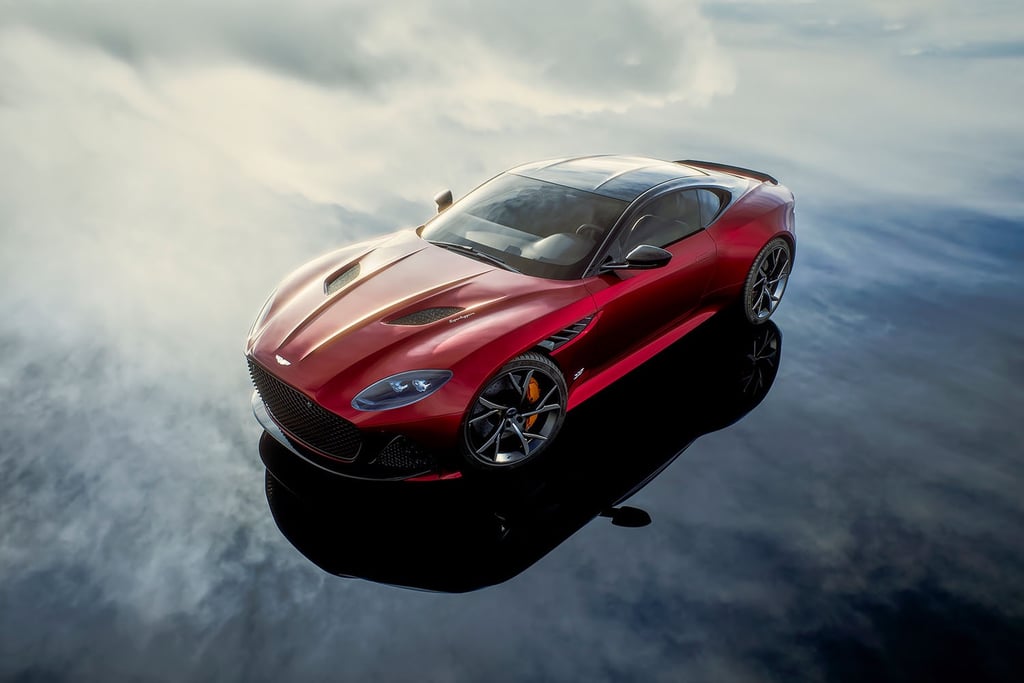
Aston Martin © Chris Clor
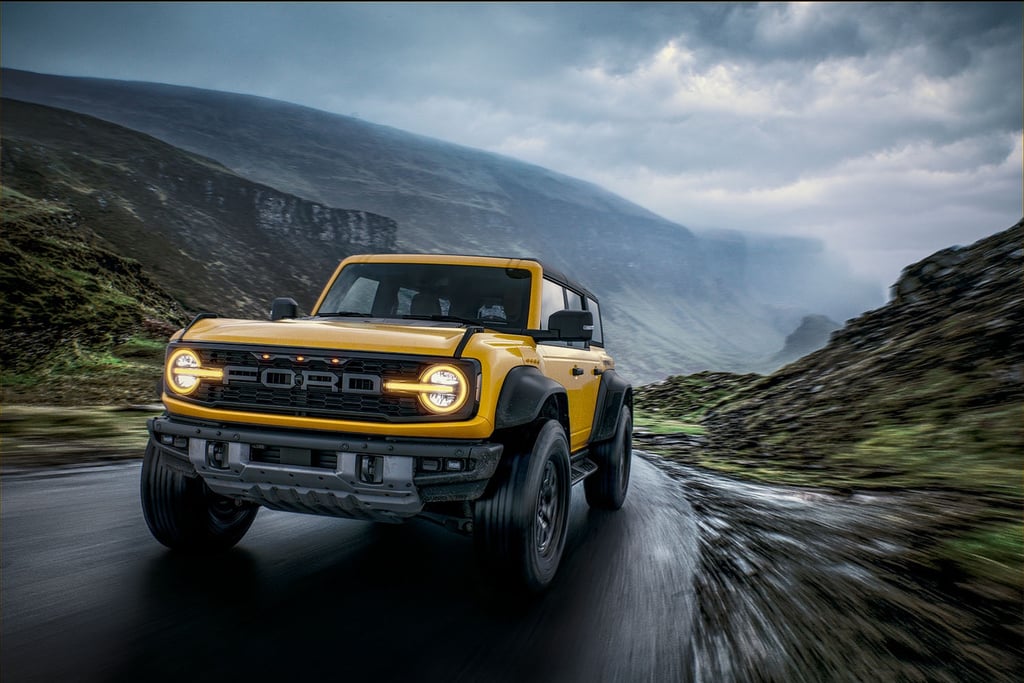
Ford Bronco © Chris Clor
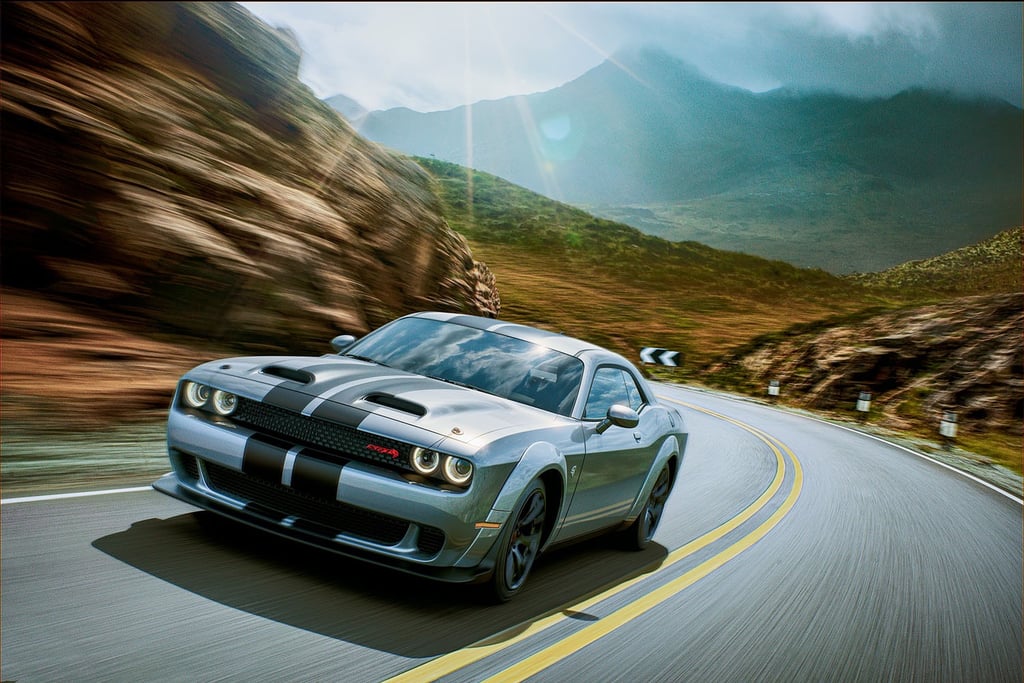
Dodge Challenger © Chris Clor
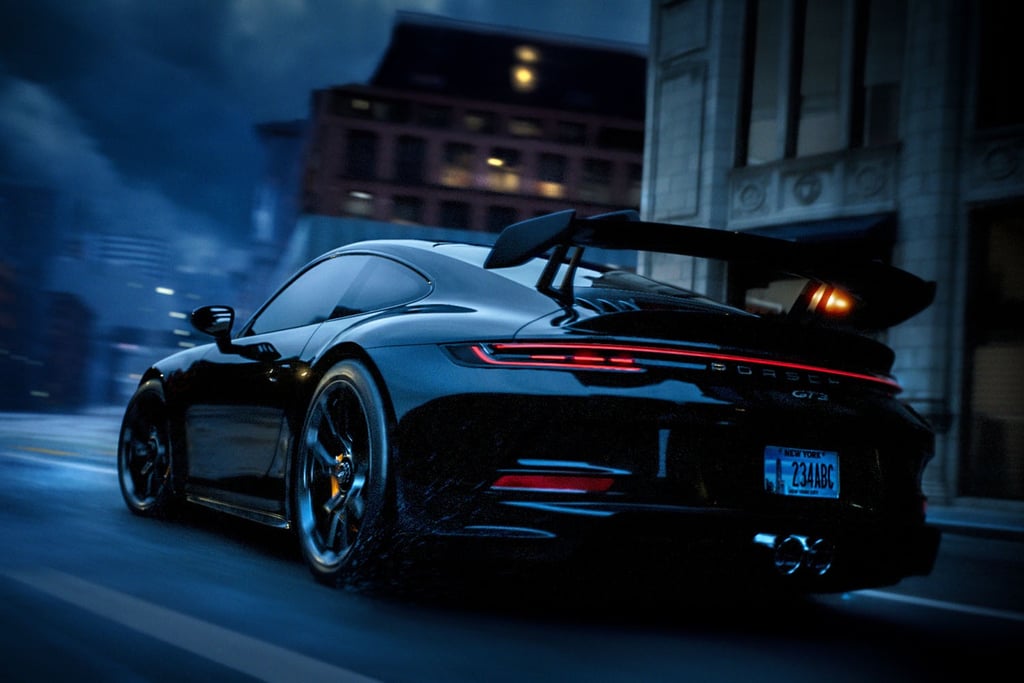
Porsche © Chris Clor
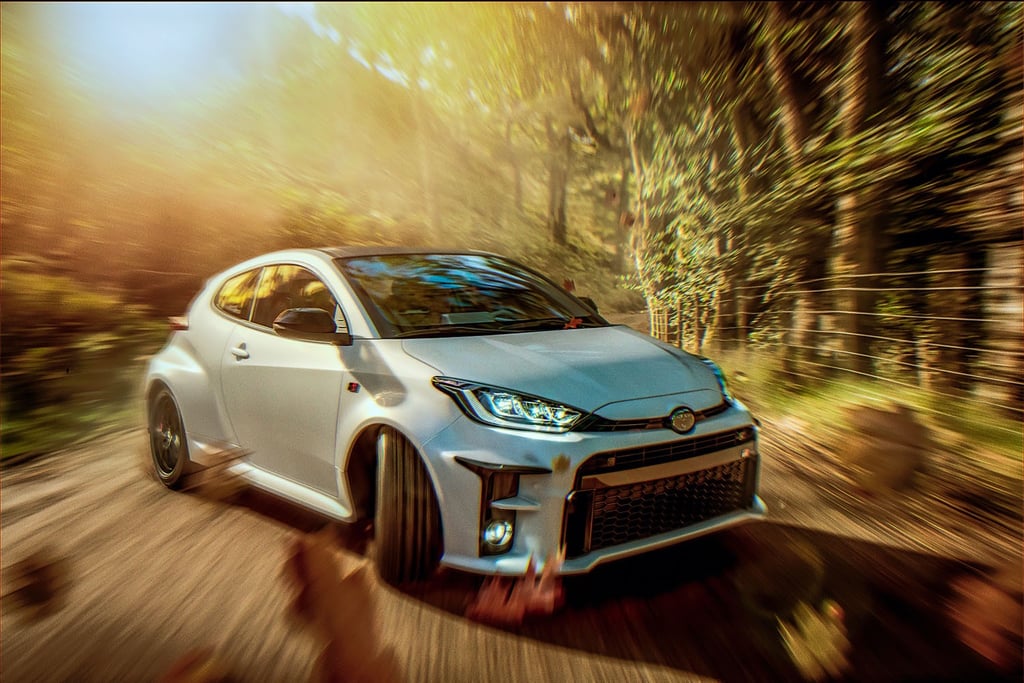
Toyota © Chris Clor
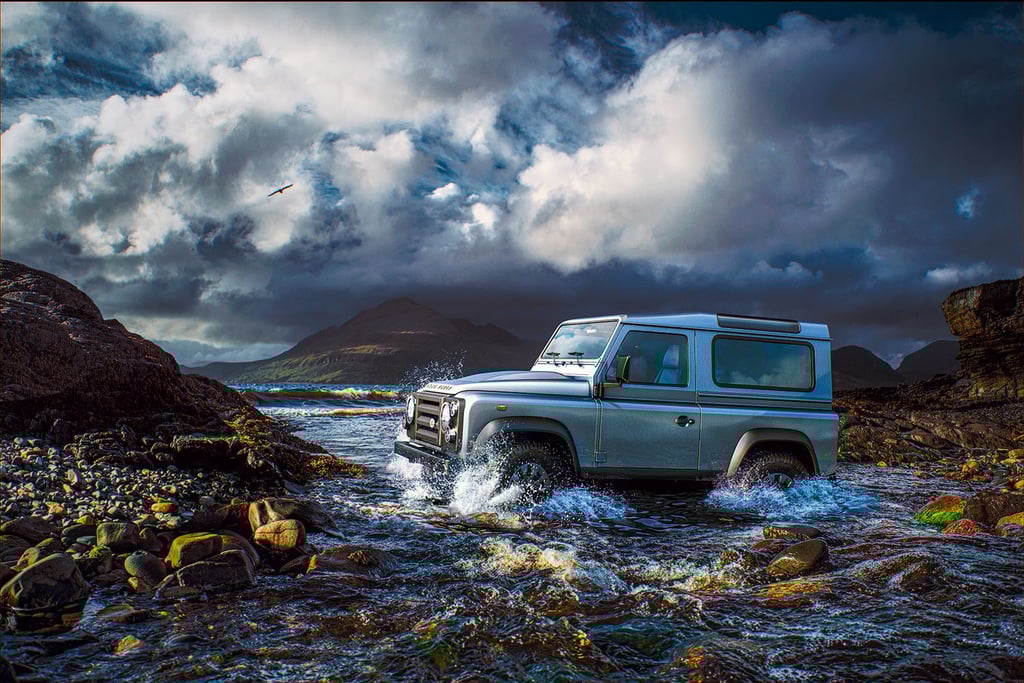
Land Rover © Chris Clor
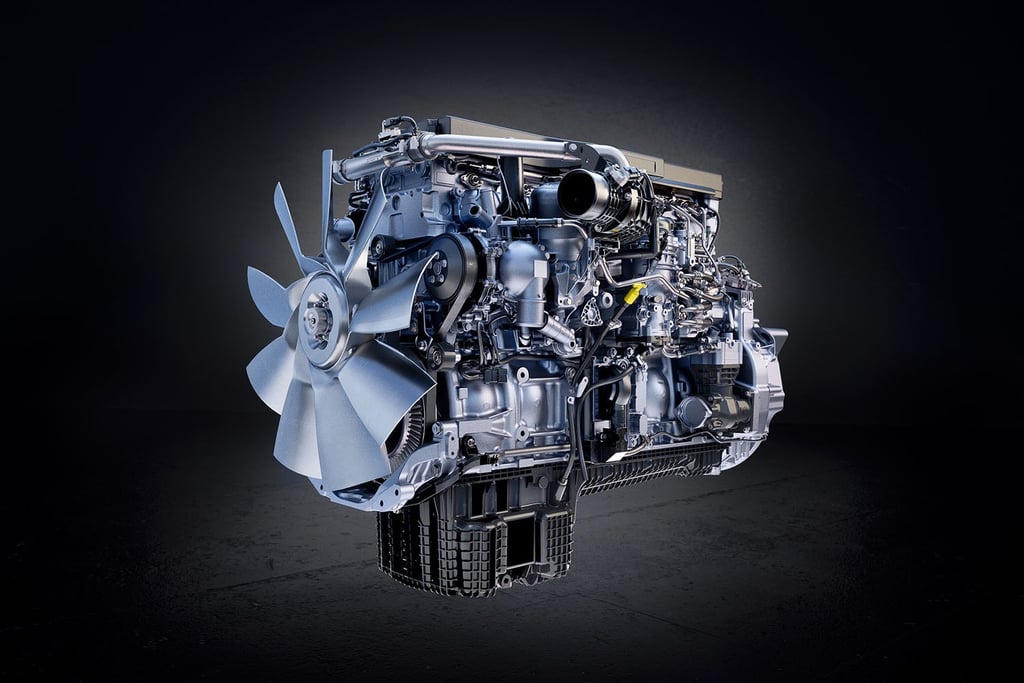
Engine © Chris Clor
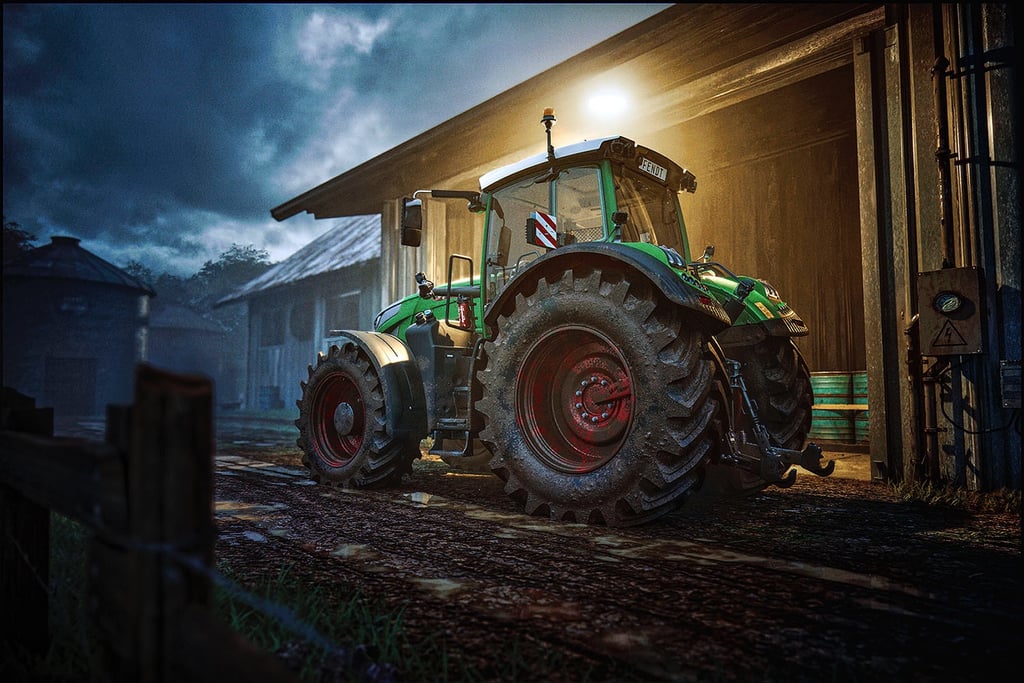
Tractor © Chris Clor
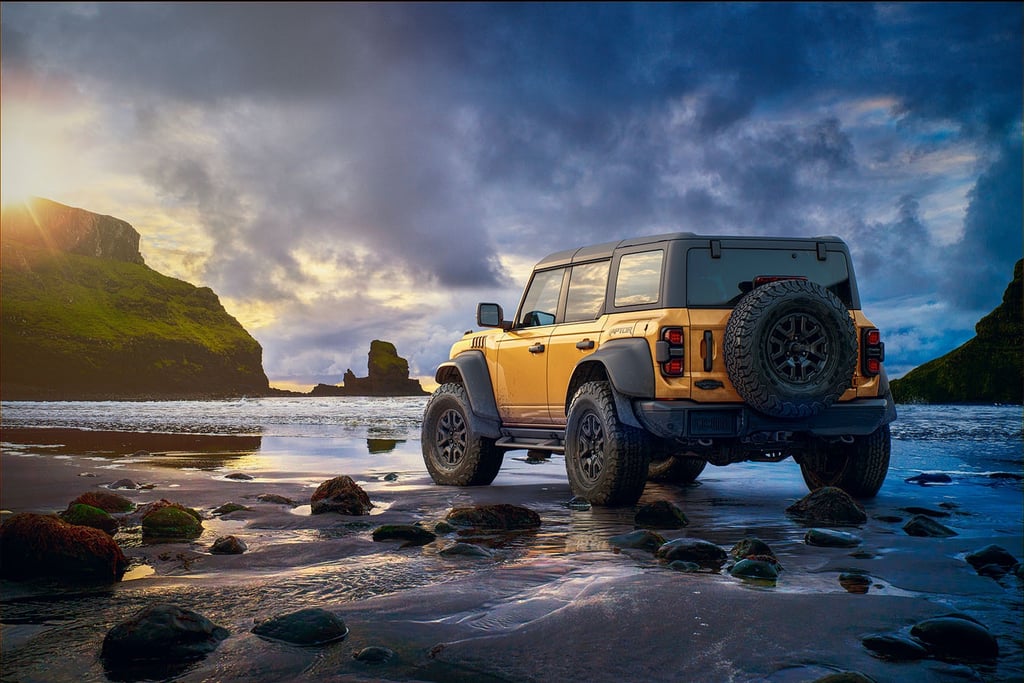
Ford Bronco © Chris Clor
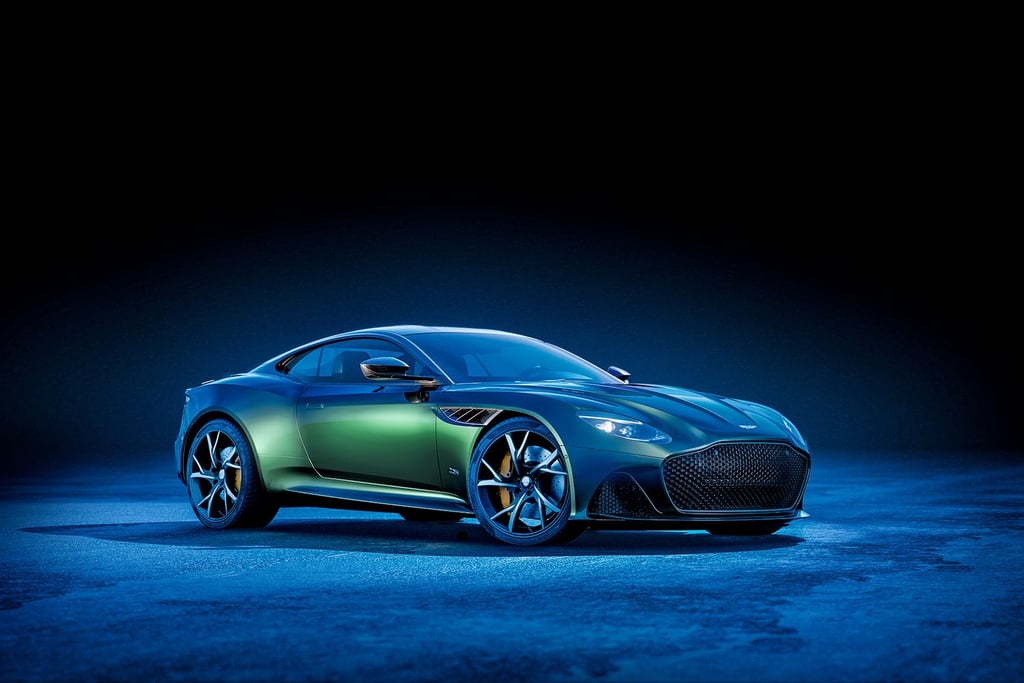
Aston Martin © Chris Clor
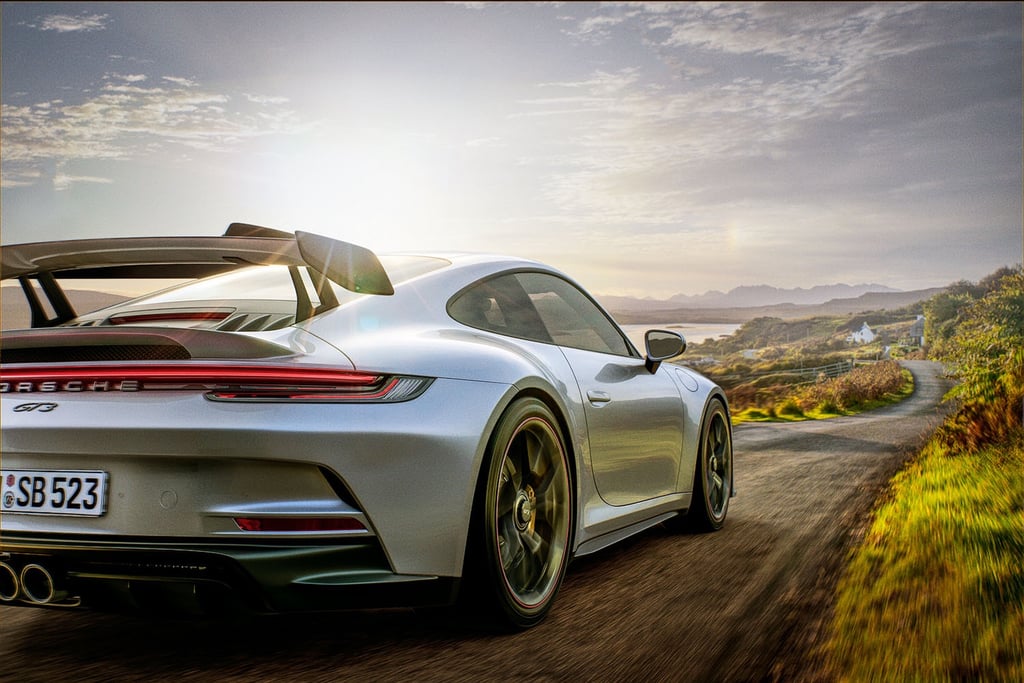
Porsche © Chris Clor
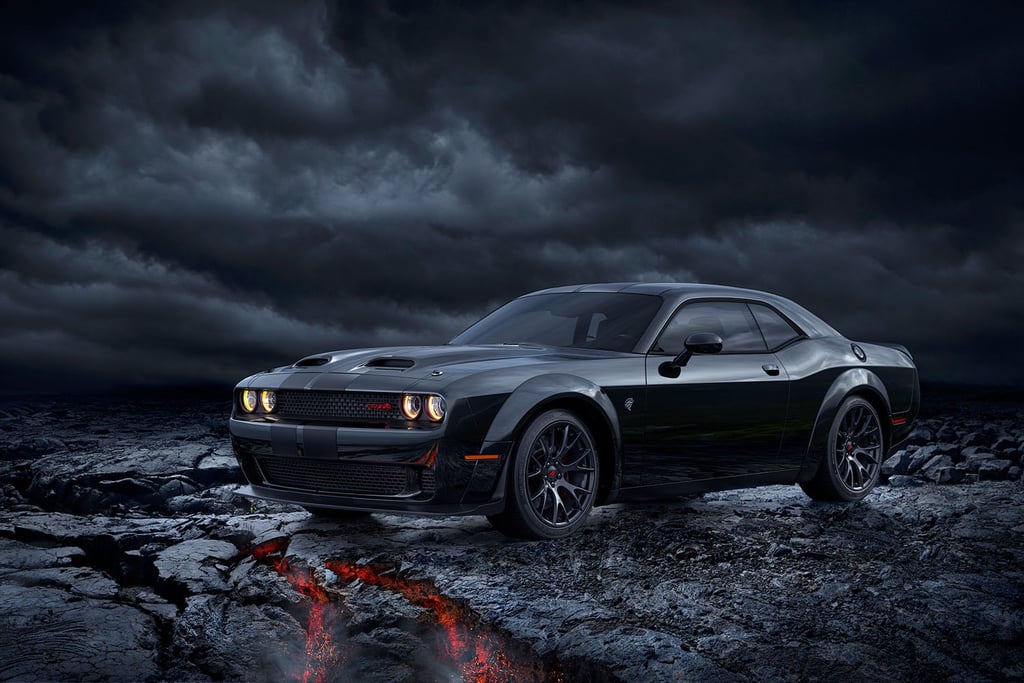
Dodge Challenger © Chris Clor

