Hard-Surface Polygons: 3D Vehicle Modelling for Games with Paul Shewan
Today we’re delving into the world of vehicle art for games. This interview is particularly special to me, as it focuses on the very foundation of my own professional career. Having worked alongside world-class vehicle artists for the past three decades, I am thrilled to sit down with an artist I deeply admire for his skills, experience, and dedication to his craft. Join us as we delve into Paul’s journey as a premier hard-surface modeler and texture artist in the games industry.
GAMES
TorqArt
1/25/20267 min read
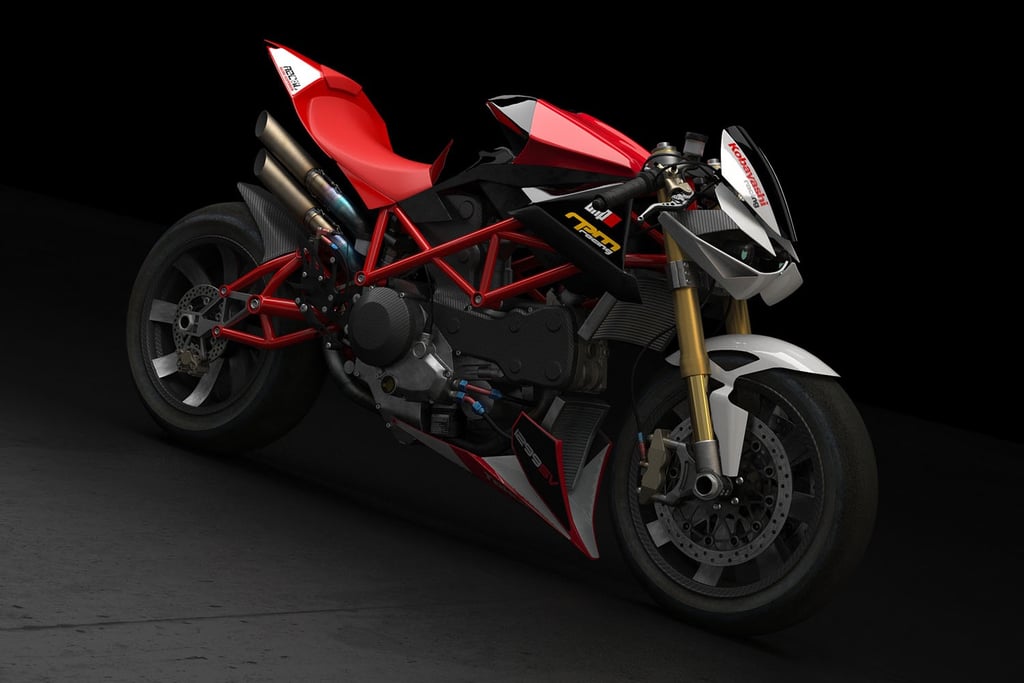
Torqart: I suspect that (much like me) a love of cars, motorsports, and art, all played a significant role in influencing your career ambitions. Tell us about your journey and how you ended up where you are today.
PS: My Dad was an amateur rally driver, so motorsports was always there, we manned a remote rally checkpoint in the darkness of night in Africa, I saw James Hunt racing in 1978, Barry Sheene in the early 80’s at Brands Hatch which is nearby. My Dad has been a Race Steward for decades so as kids we sometimes worked there delivering race results around the circuit, so we’ve had free tickets to all kinds of motorsports over the years.
I started riding motorbikes in the mid 80’s and love the controlled oblivion of it. Superbikes are as much fun as it gets, and I’m impressed when a game captures the motion & violence of the experience. I was artistic from the start, and after art college I set myself up painting helmets and bikes for 10 years but had to bail out as it wasn’t possible for me to make a living from it.
Torqart: Why the games industry, and did your prior career as an airbrush artist help you secure a job as a game artist?
PS: I looked online for a creative job I might be able to adapt to, and 4 days later I had a job at Climax Racing in Brighton working on MotoGP02. I rode in on a wave of artists who were hired to create the realism needed on the Xbox. I had no idea if I would function in that environment but the team there at Climax were so much fun, quick witted, silly and talented.
Years of airbrush photorealism art on helmets & bikes made it easy to work on games. I’d used Photoshop at home and Climax made its own tools for modelling and texturing which were easy to learn and made the pipeline fast and simple. I started as a texture artist and taught myself to model with some help.
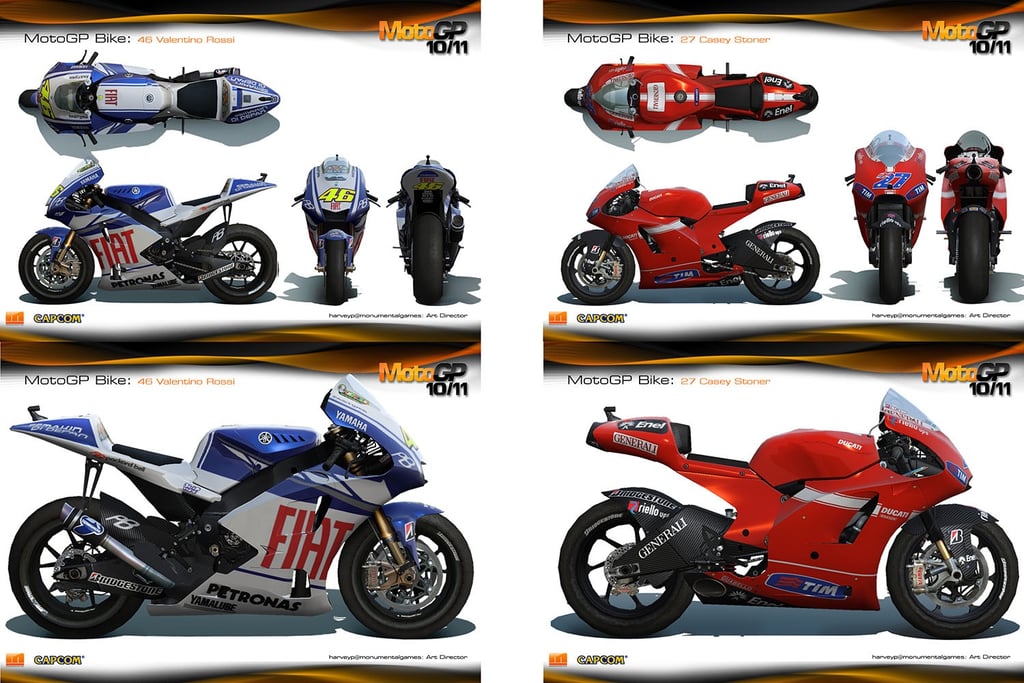
I spent a lot of years working on MotoGP titles which is a dream job, we got to travel the world, be part of the MotoGP circus and photograph the circuits, bikes and riders.
Torqart: Were you a gamer prior to working in the industry?
PS: I didn’t own a console before working on games, I’d played Metal Gear Solid which blew my mind, it was so immersive, intense and visually impressive. I bought an Xbox in 2003 to play the games I was working on, then a 360, and years later over to a PS4 and stayed with Sony’s consoles.
Torqart: As a vehicle artist, what types of vehicles inspire you the most?
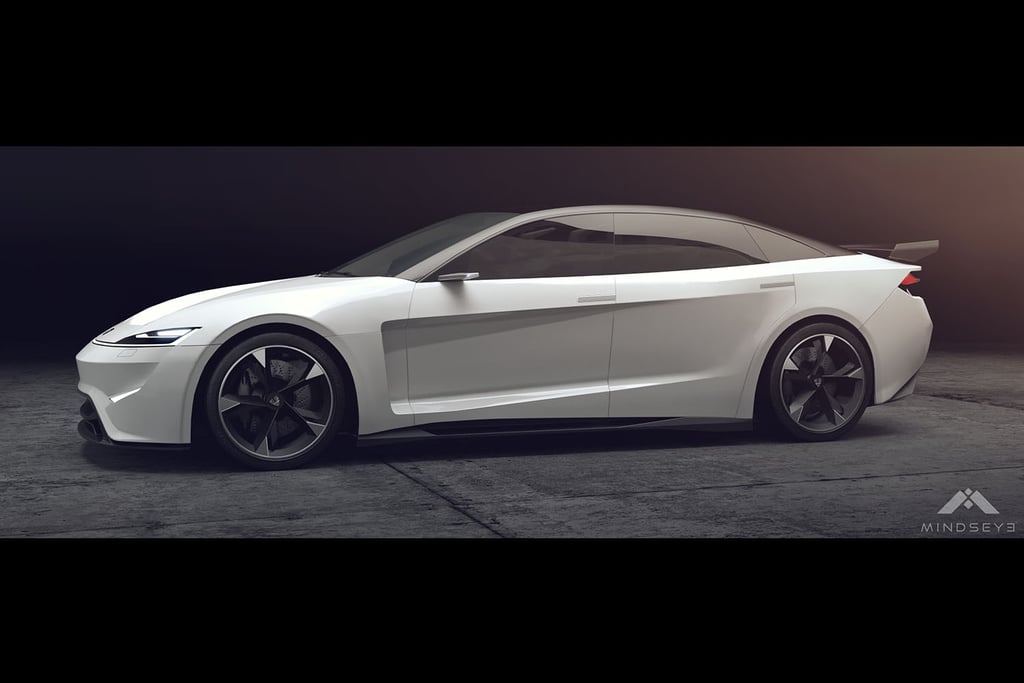
PS: I love designing vehicles for games. I worked on Minds Eye making near future vehicles and I could have done that forever. Licensed vehicles have no creative input, it’s all about accuracy, but designing vehicles yourself is really satisfying. You get to push your creativity and evolve as an artist. Bikes are my first passion, but cars are just as much fun to make. I love futuristic design but it’s always fun to make a classic car as so much design language and proportion was perfected years ago and influences current choices.
Torqart: 3D vehicles have advanced incredibly in terms of detail, polygon budgets, and complexity since they first appeared in 3D games, how has this impacted the time that it takes to produce a model, and have we reached a plateau?
PS: Oh, it takes many times longer now, if you’re working on a game with licenced vehicles, each artist in the UK would choose 2 or 3 to make and the rest is generally outsourced. There’s still plenty of scope for more detail and sharper textures, you only need to look at marketing renders to see where to take it.
Torqart: Could you briefly walk us through your modelling workflow and the types of reference materials that you count on?
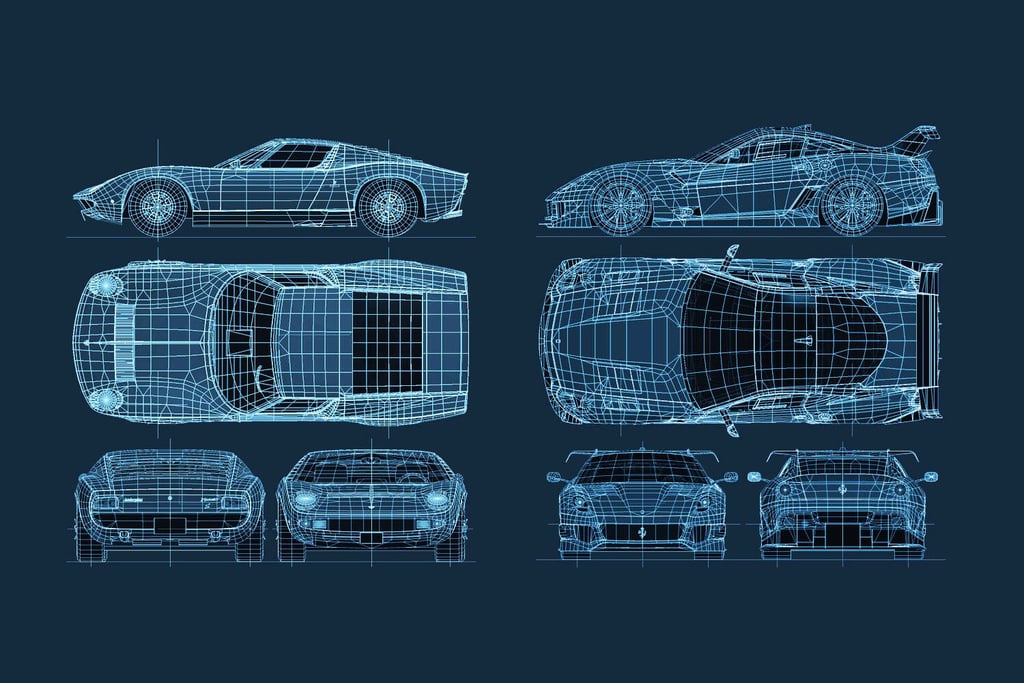
PS: If it’s a licenced vehicle and there is no CAD model from the manufacturer, I grab loads of photos and the vehicle dimensions. I don’t trust blueprints as you can’t tell if they’re accurate, but by bringing photos into the modelling app and setting up cameras to match the image, you can get pretty good accuracy.
I start by making a simple version called a block-out, this to ensure the basic from is accurate before I start refining the mesh and adding detail. I go over it in waves making sure the surface is smooth, and adding more detail to areas as needed, and optimising the geometry where needed to ensure that it meets the poly budget constraints.
Torqart: What software programs do you use?
PS: I model in 3DSMax, which is a bit dated now but still capable. It was the first ‘off the shelf’ modelling tool that I began using 16 years ago. I also started learning Maya, but my circumstances changed. Blender looks like a better tool to migrate to as it’s becoming common in game art pipelines.
Torqart: What are your favourite games that you’ve worked on and what made them special?
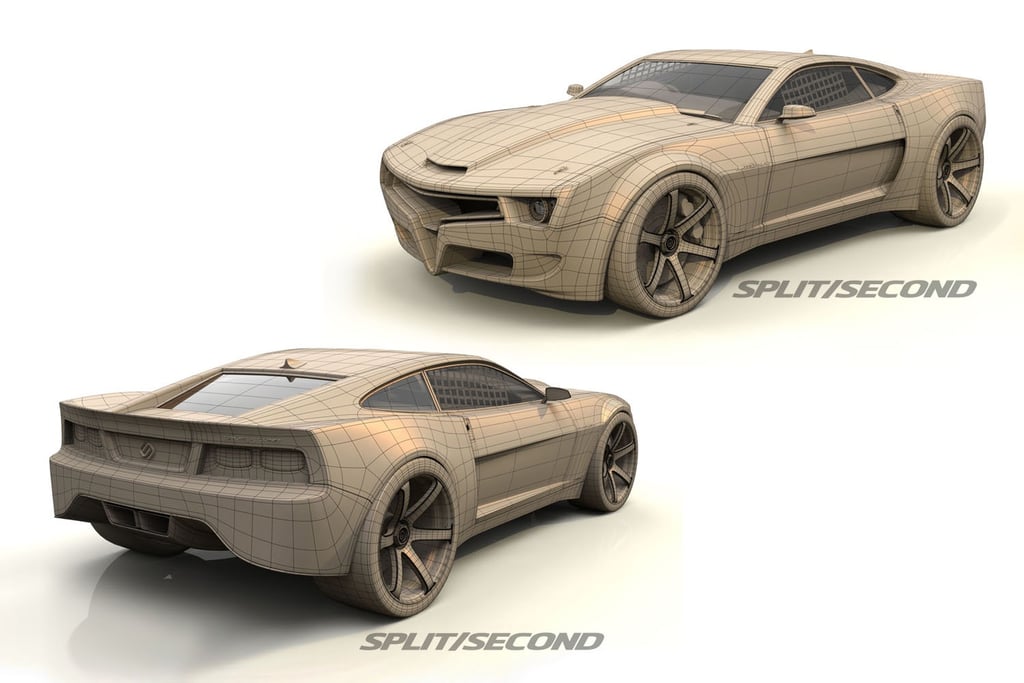
PS: Oh, that’s easy, any Moto GP game I’ve worked on. I like the sport, and travelling the world with pitlane access doesn’t get any better. The later ones I worked on had all 3 classes so that was a lot of bikes to manage. Building them is easy, there’s a lot of shared/similar components to reuse or modify. Minds Eye and Split Second were also very rewarding because of the creativity aspect - designing as well as building the vehicles is as good as it gets.
Torqart: I’m interested in the ‘Fighter Ace’ project that you worked on. How did that project come about, and what was your involvement?
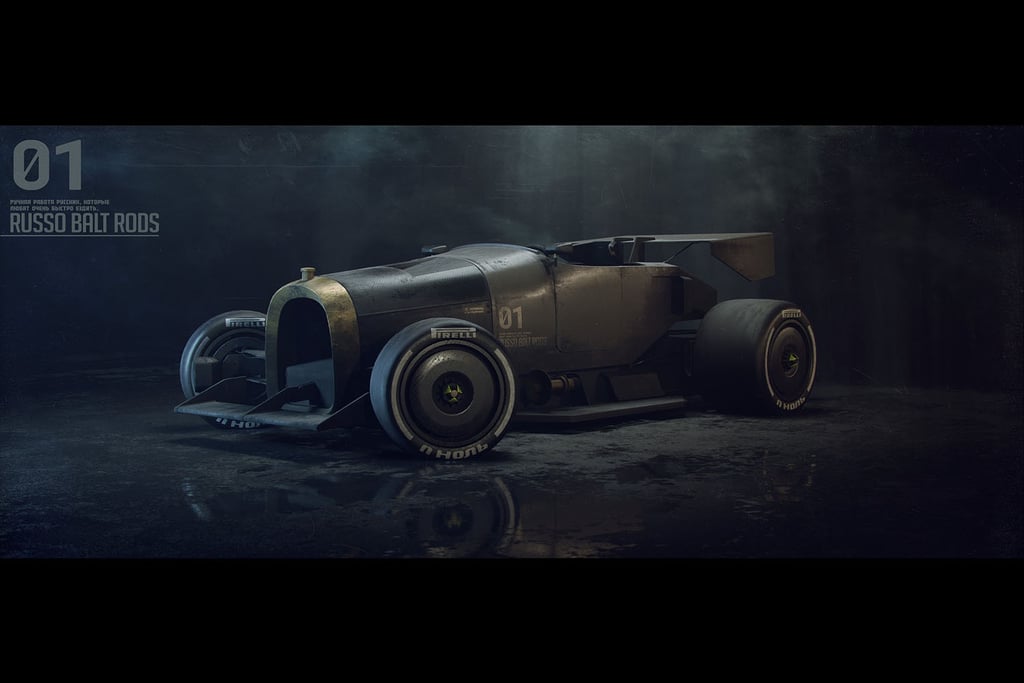
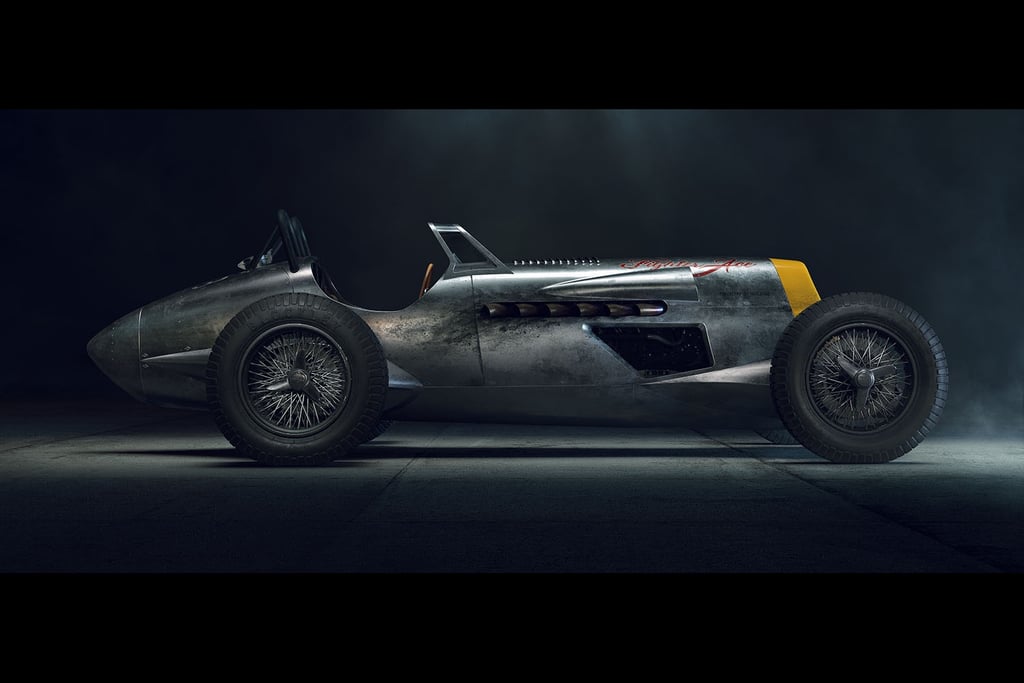
PS: A long-time friend of mine (Piers Dowell - a very accomplished airbrush/helmet painter) occasionally involves me in his marketing render projects. He has a WWII Rolls Royce Merlin V12 engine in need of a home and wanted to build a compact vintage race car around it.
He had already designed an initial iteration of the vehicle, and added some Spitfire design language and other tweaks, and asked me to provide some renders, which were circulated to create some interest in the project. Piers then built a very detailed engineering CAD model in Rhino, which I used for the second wave of renders.
Torqart: Are there any recent projects you've worked on?
PS: Minds Eye is the latest project, I was really happy with the Silva One, it’s a ‘Tesla’ style Sedan.
Torqart: What are some common challenges or misconceptions about working in the games industry?
PS: Working to time constraints is challenging, as the workload can be insane. You need to learn where to spend the time on a model – more detail on areas that are seen the most, and less on areas that are less visible.
I find some of the technical pipeline processes can be challenging as I have ADHD, so well written documentation is essential for step-by-step instructions.
It’s quite common for studios to have a limited lifespan, so pay attention to co-workers updating their portfolios, they may know something you don’t!
Torqart: How important is networking and building relationships within the games industry for aspiring artists?
PS: I think it’s a good idea to make connections with experienced vehicle artists on social platforms like LinkedIn and ask for some guidance on your work.
Torqart: How do you see AI impacting the creation of 3D vehicles for games?
PS: AI is moving so fast. I’ve used it for concepts, and I collect other people’s AI images from Pinterest - they make a solid library of ideas to work from.
AI UV mapping tools would be nice, maybe they already exist. When AI can model as good a human artist, it’ll probably be time to find another career.
Torqart: What has been the most rewarding aspect of your career as a game vehicle artist?
PS: Discovering a job which I didn’t know existed, getting well paid for something I love doing, making artwork for games that is enjoyed by millions of people around the world, and being a small part of a team that creates something incredible and exciting.
Also working with the kindest, smartest, inspiring, and supportive people, whether it’s management, code, design or art, they bring us all together and together we leave our mark on the world.
Torqart: A big thank you to Paul for sharing his knowledge and experiences, you can check out his portfolio here… https://www.artstation.com/paul_shewan
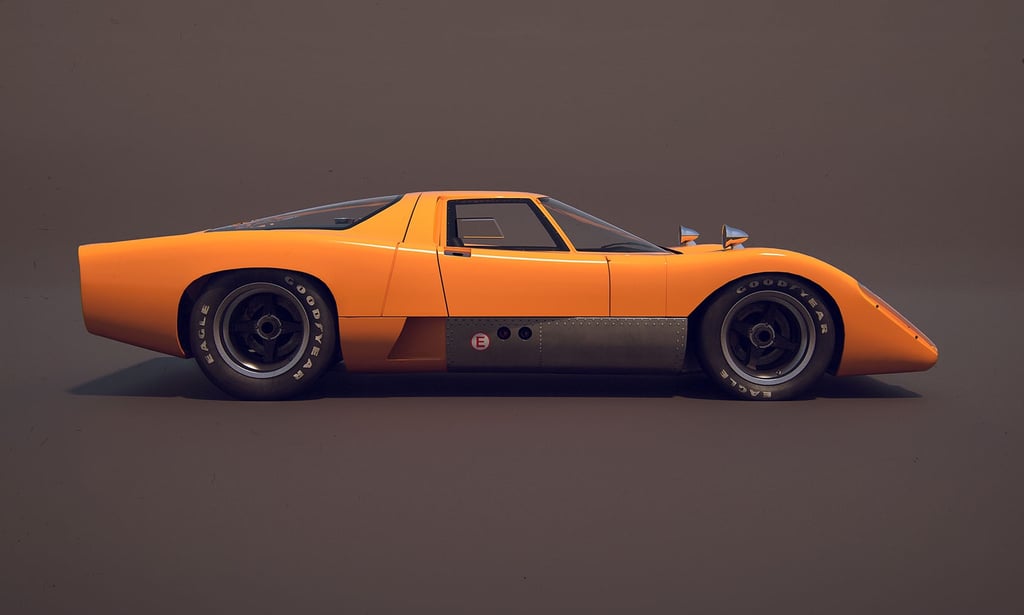
Torqart: What advice would you give to someone looking to start a career in the games industry as a vehicle artist?
PS: Make sure your regular art skills are up to scratch - displaying skills with proportion and composition. Good polygon distribution and edge flow will impress an art director. Take your time in the presentation of your work and only show your best work.