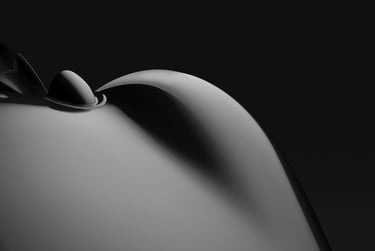
Light and Form: The Fine Art of Automotive Photography with Bill Pack
Few artists explore the intersection of photography and fine art as elegantly as Bill Pack. Bill doesn't simply photograph a car; his use of complex lighting and composition captures his subject as a deeply sculptural presence. In this exclusive interview, we explore Bill’s transition from commercial advertising, to producing gallery-quality photography books, and what drives his lifelong passion for the relationship between light and form.
PHOTOGRAPHYFINE ART
TorqArt
12/18/20255 min read
Torqart: Can you tell us about your journey into automotive photography, and what sparked your interest in this field?
BP: My journey into this work has been a gradual refinement of vision. I’ve always been drawn to the relationship between light and form. I discovered photography in high school, refined my craft at the Brooks Institute, and spent years in advertising where precision and control were essential.
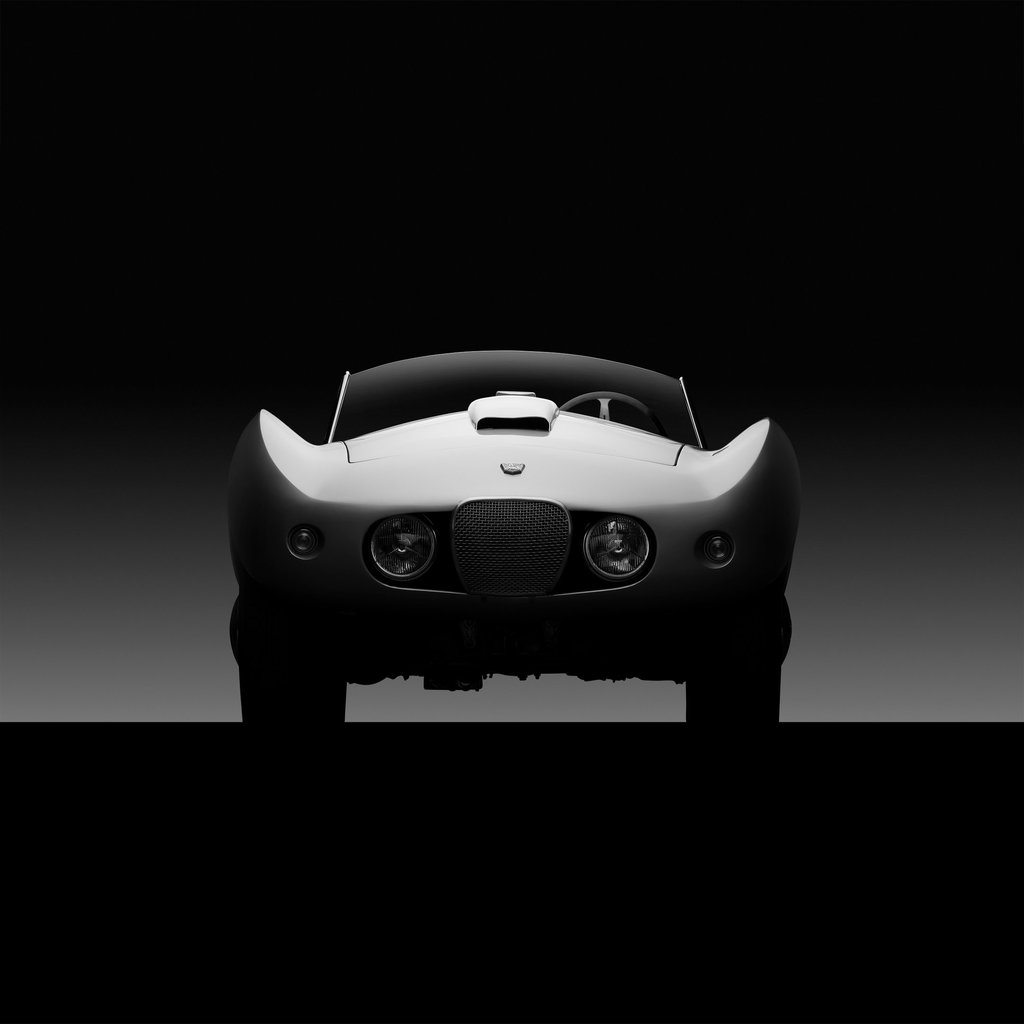
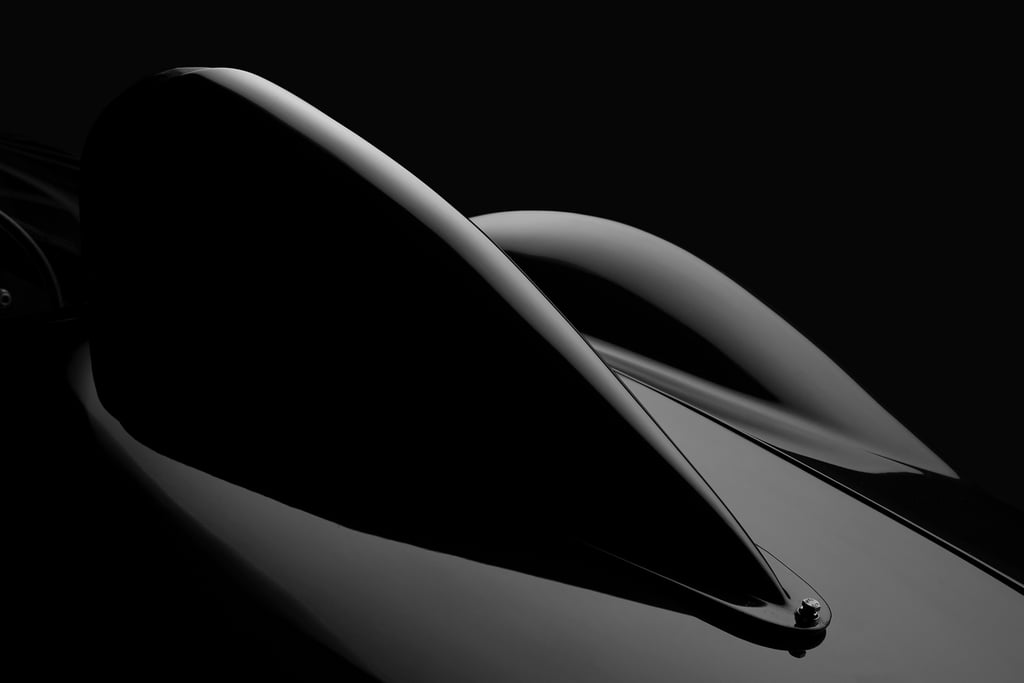
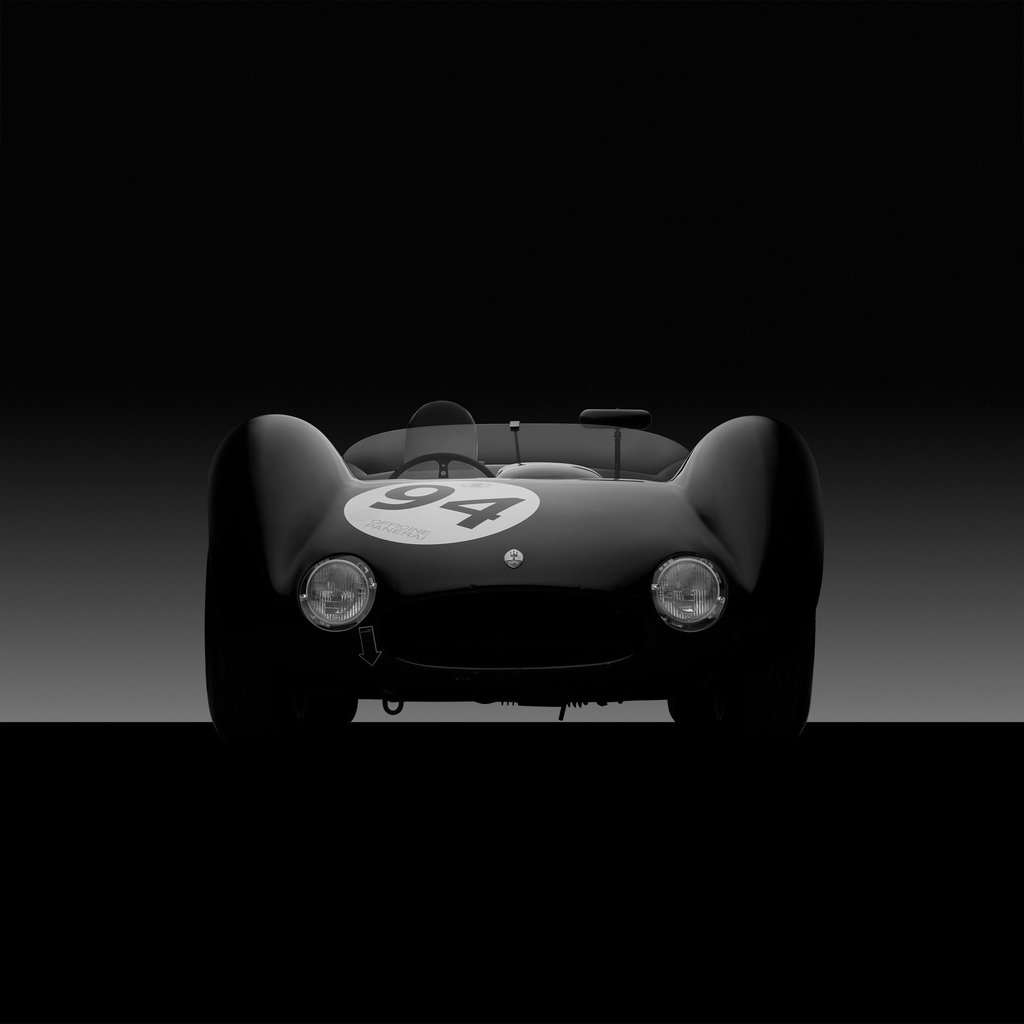
But in 2013, I shifted toward the work I wanted to be remembered for — fine-art studies of sculptural form. Historically significant cars offered the perfect medium. They carried design intention, engineering courage, and emotional geometry. When I applied my “Painting With Light” technique to them, it became clear that I wasn’t photographing cars. I was revealing the intention of the original sculptors.
That realization reshaped my entire career.
Torqart: What was your educational background, and how did it prepare you for your career as an artist?
BP: I studied at the Brooks Institute of Photography, where discipline and intention formed the foundation of everything. Brooks wasn’t about capturing images — it was about understanding light, respecting form, and creating with purpose.
That training is at the core of my work today. Whether I’m creating fine-art prints, museum commissions, or private books, the Brooks discipline guides every decision.
Torqart: Do you have a specific era in automotive history that inspires you most, and what draws you to it?
BP: I’m especially drawn to the 1950s through the 1970s — a period where design, intuition, and courage intersected. Designers shaped metal the way sculptors shape clay. The lines carried intention. The surfaces held tension. The forms communicated speed, stillness, or purpose.
Those decades represent human-driven design at its highest level, and that speaks directly to the fine-art approach of my work.
Torqart: Lighting plays a big role in your art. What are the key techniques you use?
BP: I work with five fundamental languages of light: highlight, gradient, shadow, reflection, and shape.
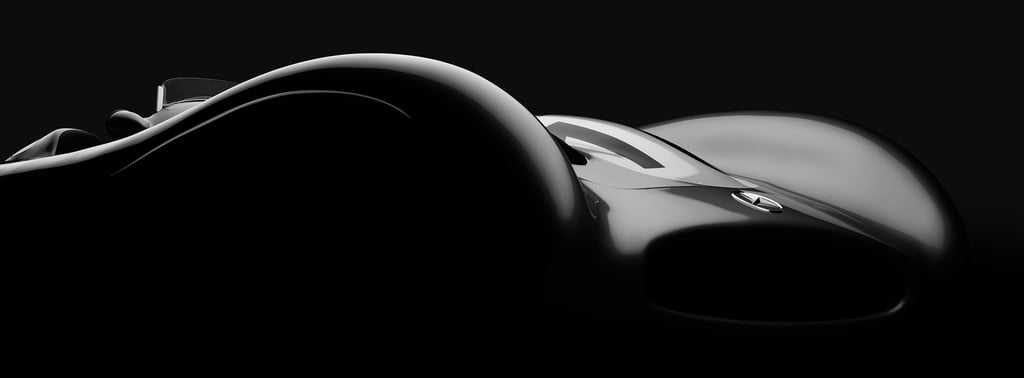
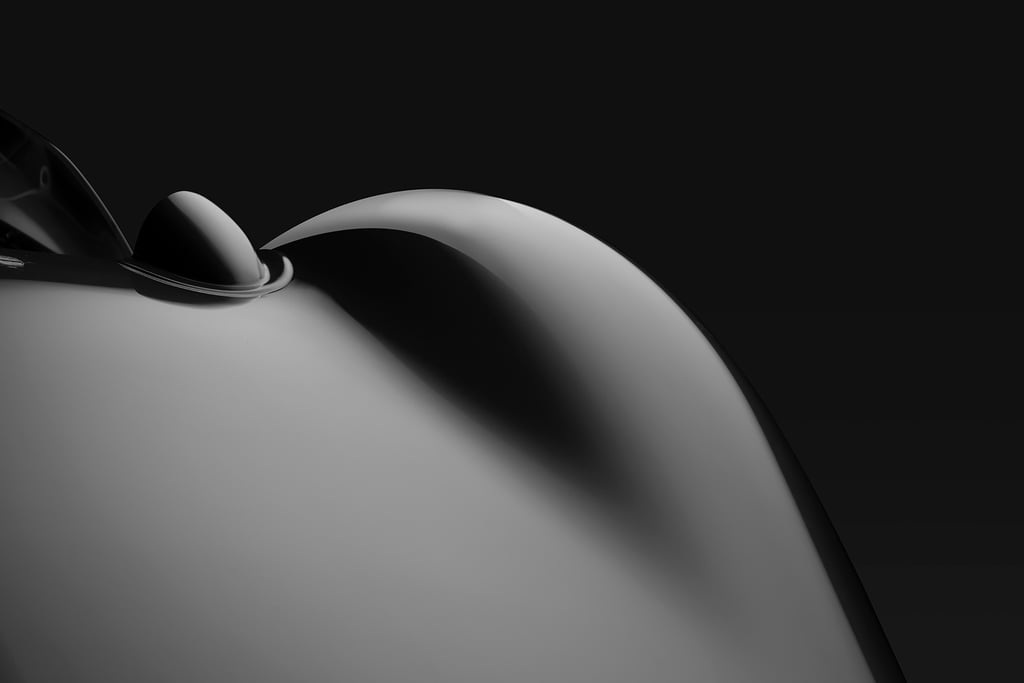
Using only hand-held lights — never panels or fixed modifiers — I shape the form with controlled motion. Light becomes narrative. Shadow becomes structure. Reflection becomes rhythm.
The goal is not to illuminate the car, but to reveal the design.
Torqart: Are there any software programs indispensable to your work?
BP: Photoshop is essential for refinement. Lightroom for organization.
Beyond that, I keep my digital process minimal.
The art happens in-camera, with light and intention.
Torqart: Can you walk me through your creative process when starting a new project?
BP: I begin with silence.
I walk the car slowly, letting the forms reveal their hierarchy. I look for the emotional anchor — the moment where the designer’s intention is strongest.
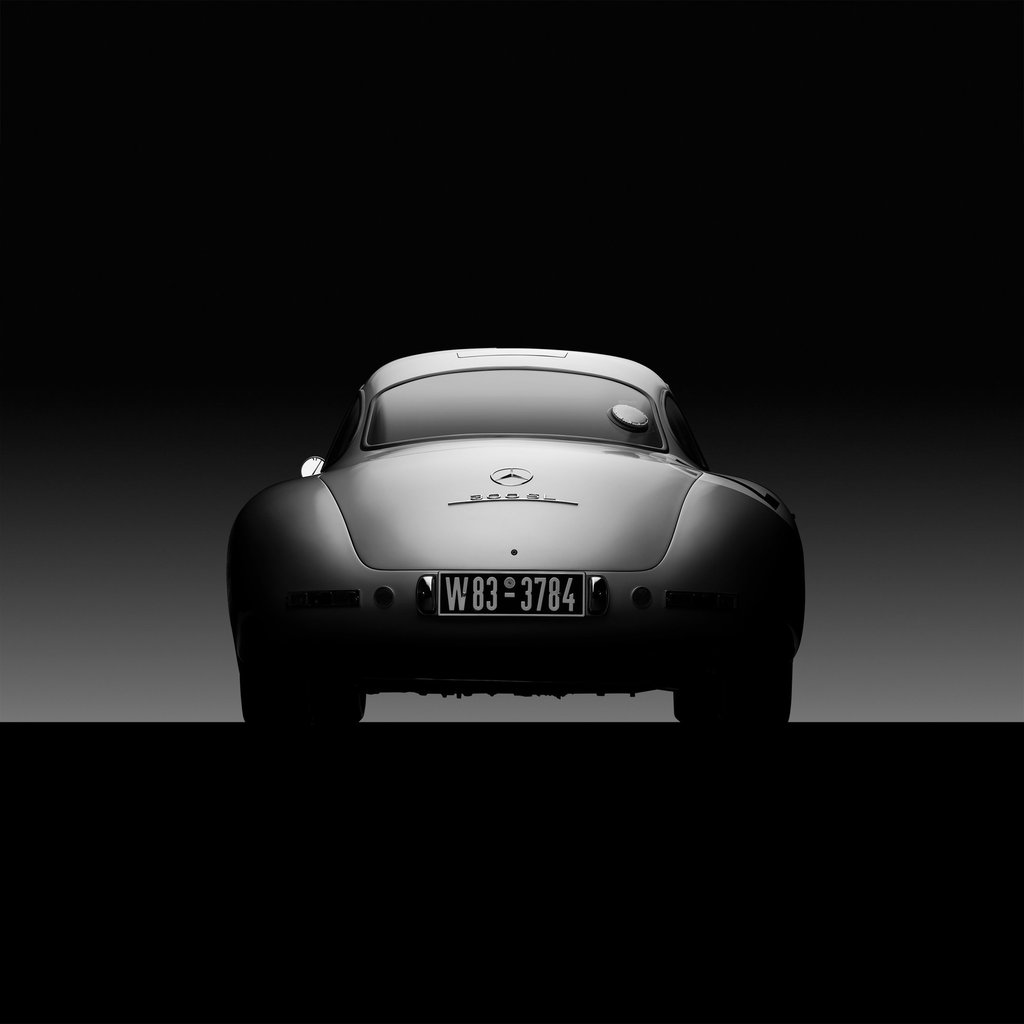
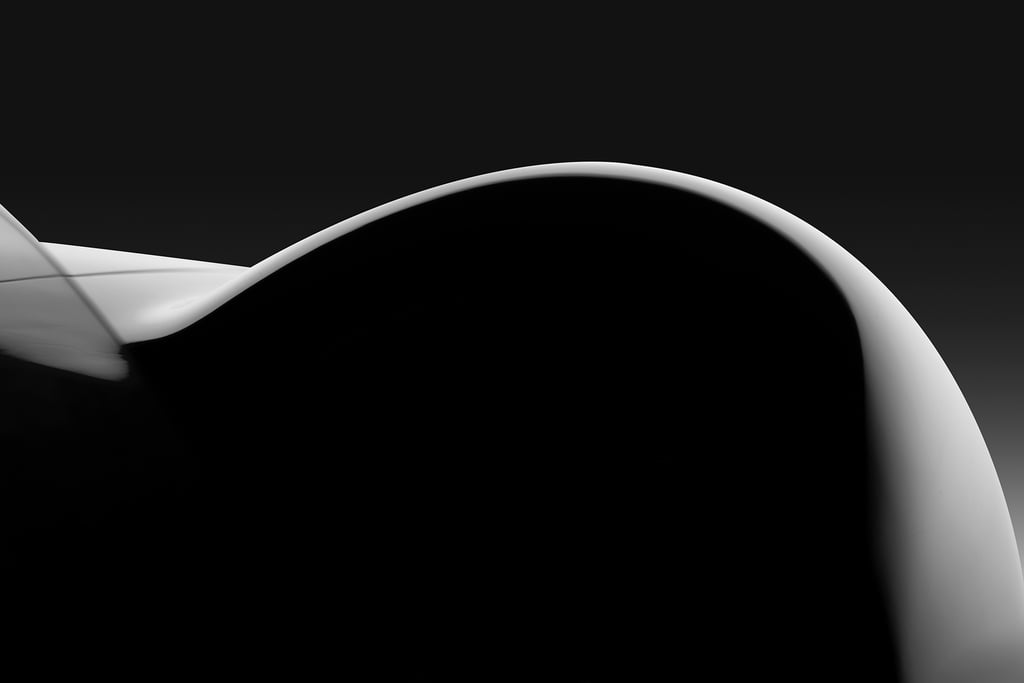
My “Painting With Light” technique is then done entirely in darkness. A hand-held light becomes a sculpting tool. I build the image stroke by stroke, illuminating only what carries meaning and allowing the shadows to define everything else.
When the work is finished, I refine it with minimal intervention. The integrity of the light is always protected.
Torqart: Much of your work emphasizes shape and form. How did you develop your unique style?
BP: My style developed by asking one question: How do I reveal the essence of the design with complete clarity?
Painting With Light became the answer. It removes all visual noise and leaves only intentional form. Over time, this became a signature — a minimal, architectural, emotionally restrained approach to sculptural photography.
Torqart: Could you highlight the projects that you’re most proud of?
BP: Several projects mark defining moments:
• Legends of Speed (Phoenix Art Museum): A 12,000-mile journey to photograph 22 iconic race cars — an artistic turning point.
• Epic Drama (Indianapolis Motor Speedway Museum): A fine-art study of 34 Indy 500-winning cars.
• Roger Penske “19” Private Book: A commission that honored decades of racing history.
• Royal Automobile Club Exhibition, London: A milestone that affirmed my fine-art direction.
• International recognition for CarScapes: Proof that minimal, sculptural imagery resonates globally.
These projects shaped both my portfolio and my long-term artistic path.
Torqart: What were the most challenging and rewarding aspects of publishing your books?
BP: The challenge is sequencing — creating a visual rhythm that honors the history and integrity of each car.
The reward is permanence.
Books become part of personal collections, museum archives, and family legacies. They outlive trends and technology. They hold the work in a form that endures.
Torqart: What advice would you offer someone entering automotive photography today?
BP: Study design.
Study light.
Study restraint.
Automotive photography is often misunderstood as being about the car. It’s actually about intention, form, and emotion. Gear won’t give you a voice — vision will.
Misconceptions?
• Faster is better. It’s not.
• More gear means better images. It doesn’t.
• Access defines success. It doesn’t — discipline does.
Authenticity is the differentiator.
Torqart: What trends do you see emerging, and how do you view AI’s impact?
BP: We’re entering a hybrid era where traditional craft and new technology overlap. AI is becoming a valuable tool—especially in commercial work where speed and iteration matter. But in fine art, authorship and intention remain essential.
I don’t see AI as a replacement. I see it as an intriguing tool worth learning deeply. It can support the creative process, but it can’t replicate the discipline, judgment, or emotional clarity behind hand-crafted work like Painting With Light.
AI may transform workflows, but human vision will always define fine art.
Torqart: What has been the most rewarding part of your career, and would you do anything differently?
BP: The most rewarding part is seeing people connect to the work as fine art — not as automotive imagery, but as sculptural studies of light and form.
Looking back, I wouldn’t change anything.
Every chapter shaped the clarity I work with today.
This is the strongest, most focused season of my career, and everything behind me prepared me for what I’m building now.
"Quiet Curve" © Bill Pack
"Canted Wing" © Bill Pack
"Silver Silence" © Bill Pack
"Crescent Line" © Bill Pack
"Line in Shadow" © Bill Pack
"Silent Curve" © Bill Pack
"Lifted Light" © Bill Pack