
The Art of the Caricature Vehicle: An Interview with Gordon Pancho
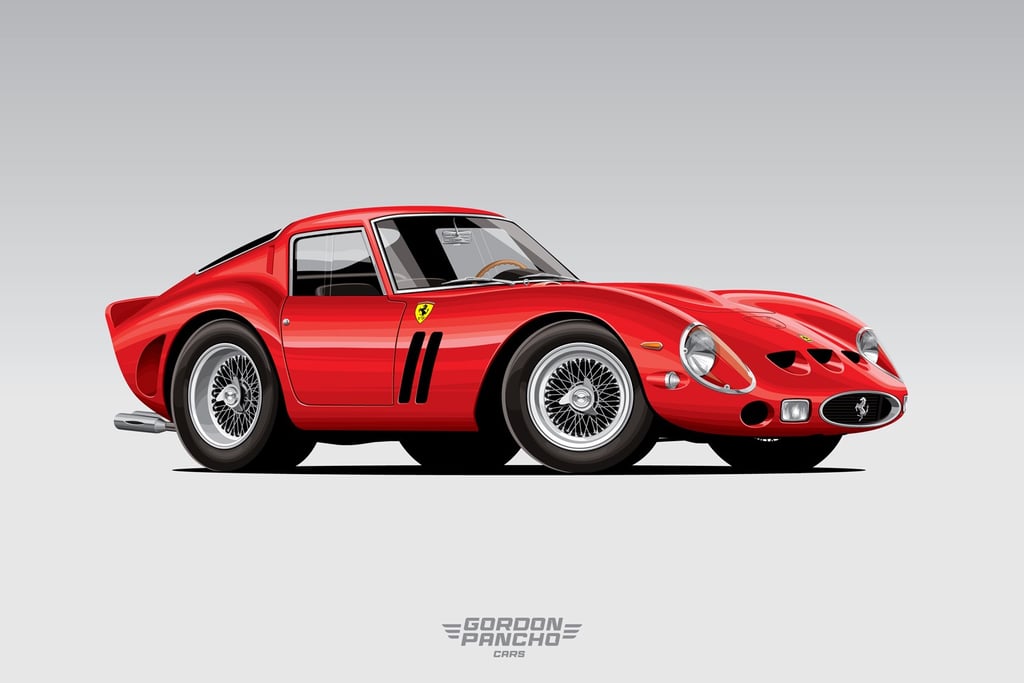
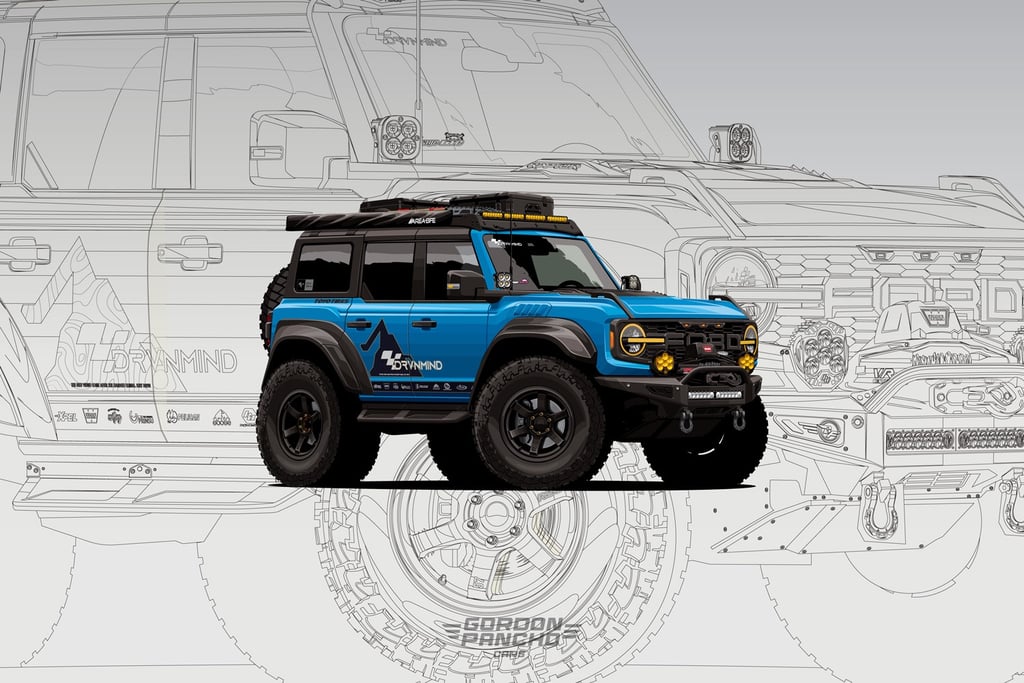
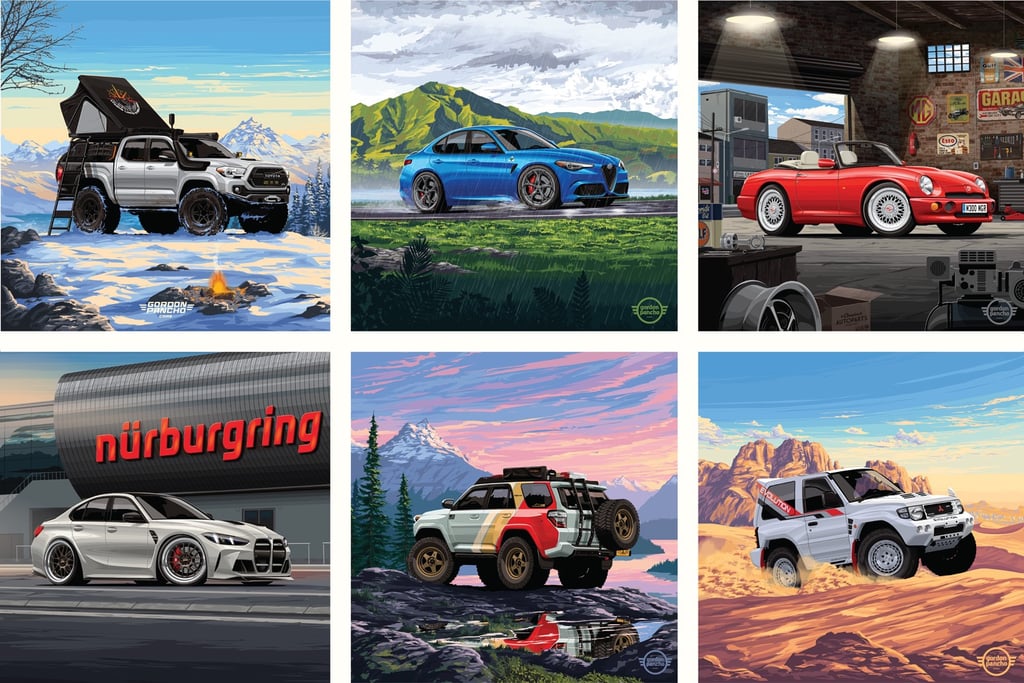
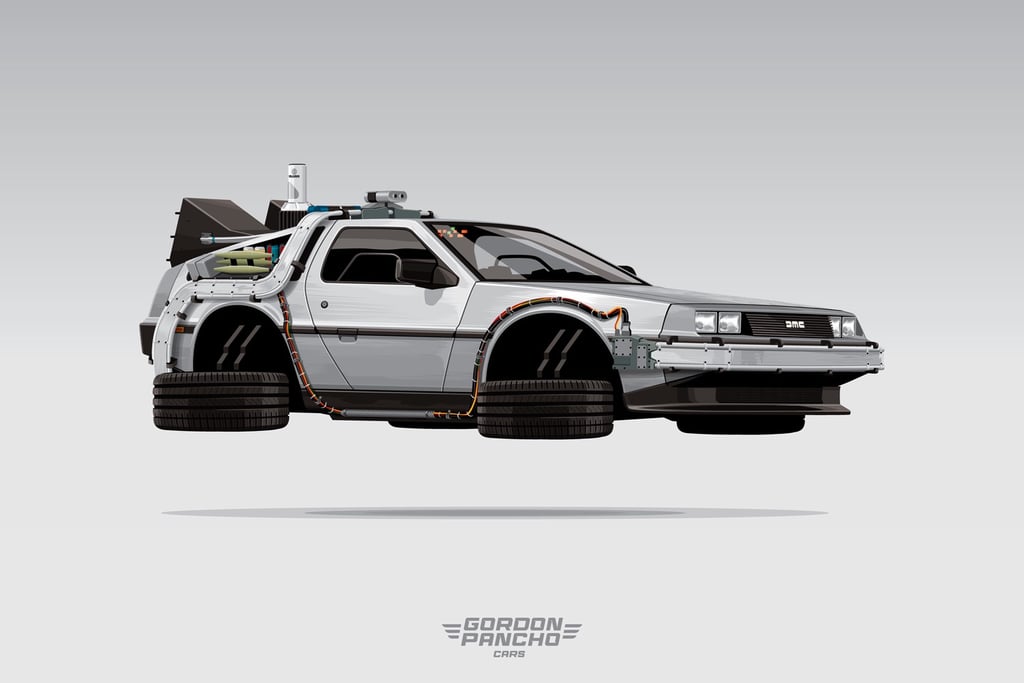
With a distorted yet perfectly proportioned caricature stance, masterful use of shading and highlights, you can spot a Gordon Pancho artwork from across a crowded room. This combination of stylised attitude and rendering technique give his vehicle creations a unique, aggressive, and ultra-clean quality that automatically demands attention. We chat with the Argentinian artist about how he translates real-world machines into his signature stylised counterparts, his journey, creative process, and advice for other artists.
DIGITAL ART
TorqArt
7/14/20266 min read
TorqArt: Argentina has a rich, passionate automotive and motorsports history, from icons like Fangio to unique local car cultures. Has growing up in this environment influenced your personal interest in cars and your career as an artist?
GP: Well, people here are very passionate about cars, but my interest has nothing to do with that. It started at a very early age, when I wasn't really aware of racing history or anything like that. I honestly don't have an explanation for why I love cars so much. I made my first drawing when I was 3, and I was always more drawn to the normal, everyday cars you see on the street than to sports or racing cars.
TorqArt: Can you tell us about your background and the path that led you to creating vehicle caricatures?
GP: I studied graphic design. Over the years I did a bit of everything: brand design, packaging, merchandise design, and I even published a weekly comic strip in a newspaper for 4 years.
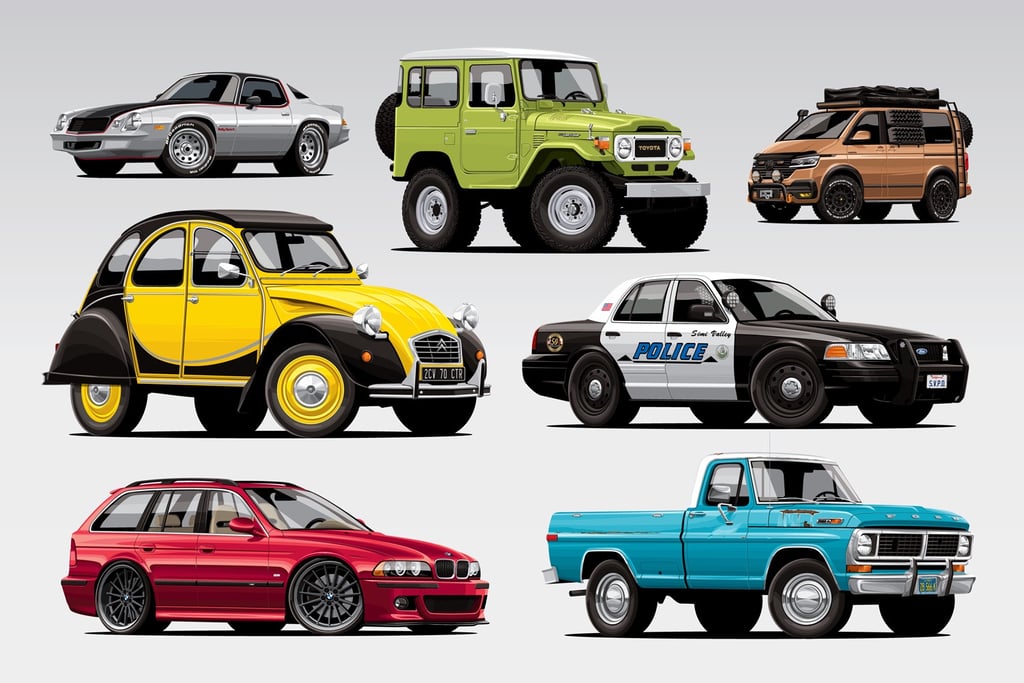
Drawing cars wasn't something new to me — I'd been doing it since I was a kid, but I developed my particular style in 2019, purely for pleasure, just because I wanted to draw what I liked. I started with one car, then another, and another, and before long I had over 100 of them drawn. Then the pandemic hit, I started posting them on Instagram, and that's how I began getting commissions.
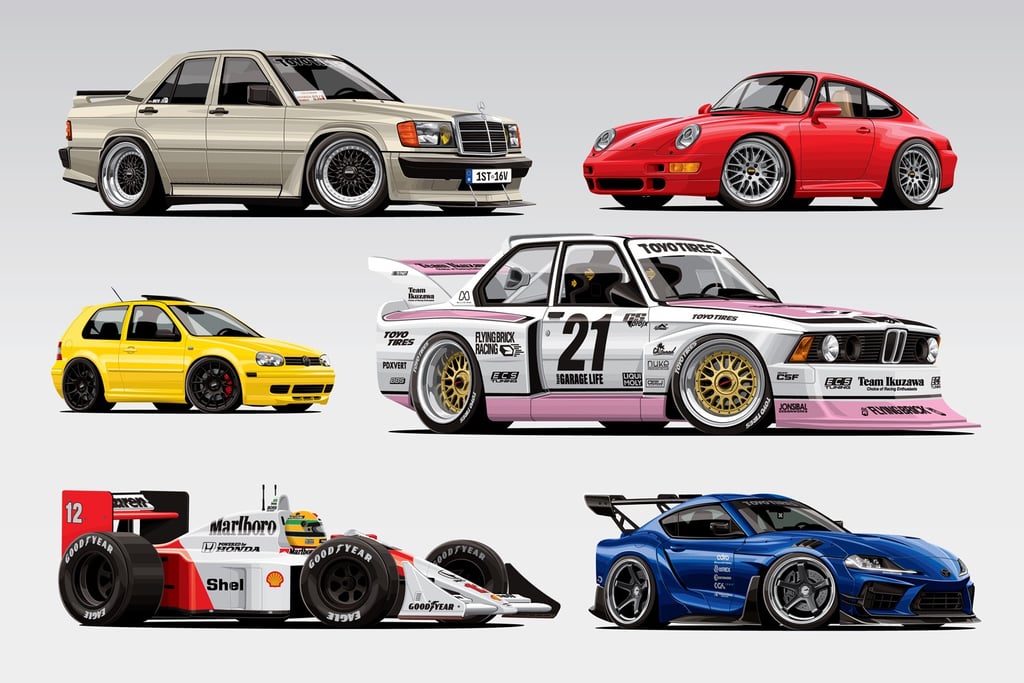
TorqArt: How do you approach a new piece, and what is your creative process for translating a real-world vehicle into a stylised counterpart?
GP: I have a few rules: tracing is forbidden, except for two things — wheels and headlights. Everything else is drawn by observing photos of the cars on my second screen. This is key for me, since I want to leave some kind of human trace in the drawing. They all have small imperfections, sometimes in the shape, sometimes in the light.
My process is always the same: I start by sketching the essential shape of the car, (which looks horrific at first), and little by little I refine it, adding more and more details until I reach the final result — which can take many hours, depending on the car.
I also have another rule: I almost never take a car from scratch to finished piece in the same day. I start it, then set it aside and work on another car, and the next day I come back to the first one, and so on. I need the rest in between.
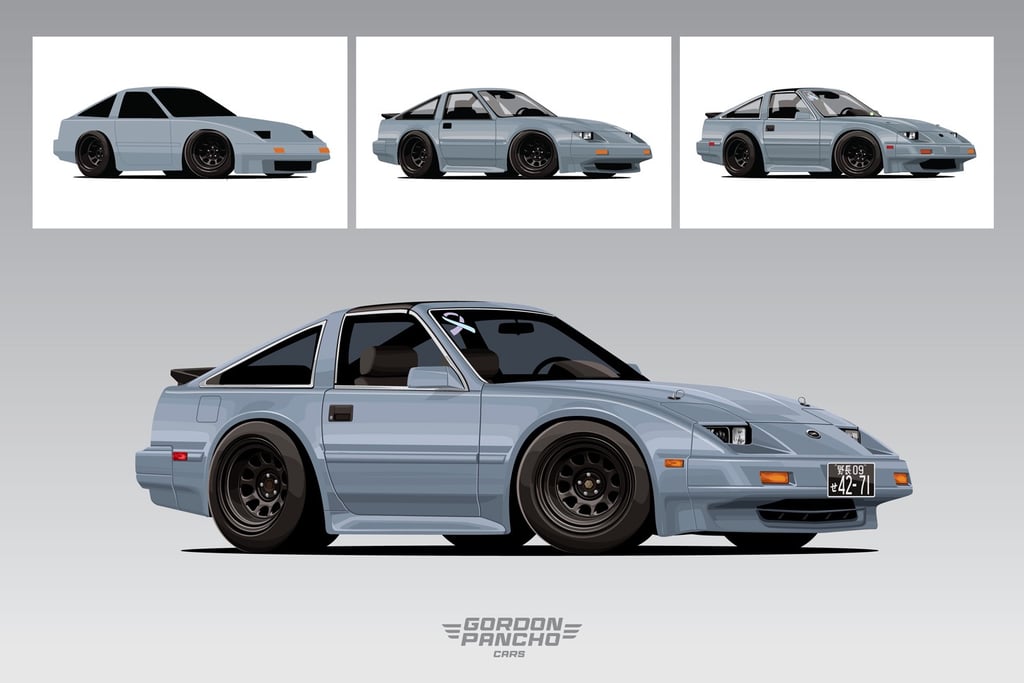
TorqArt: How do you balance proportion, exaggeration, aggressive stance, and keeping the soul of the original vehicle intact, while avoiding making a caricature appear too 'cute'?
GP: That was my main concern when I started. I've never liked overly exaggerated car caricatures — I wanted to create something in between.
I remember watching the movie Cars and instantly falling in love with those characters and their proportions. I think they're incredibly well balanced — cute, yet very realistic at the same time.
Still, it was a challenge to make such different kinds of cars look like they belonged to the same world. In the beginning, I remember constantly comparing one drawing to another, trying to make them look consistent with each other, and over time — even though I still do that — it started coming out naturally.
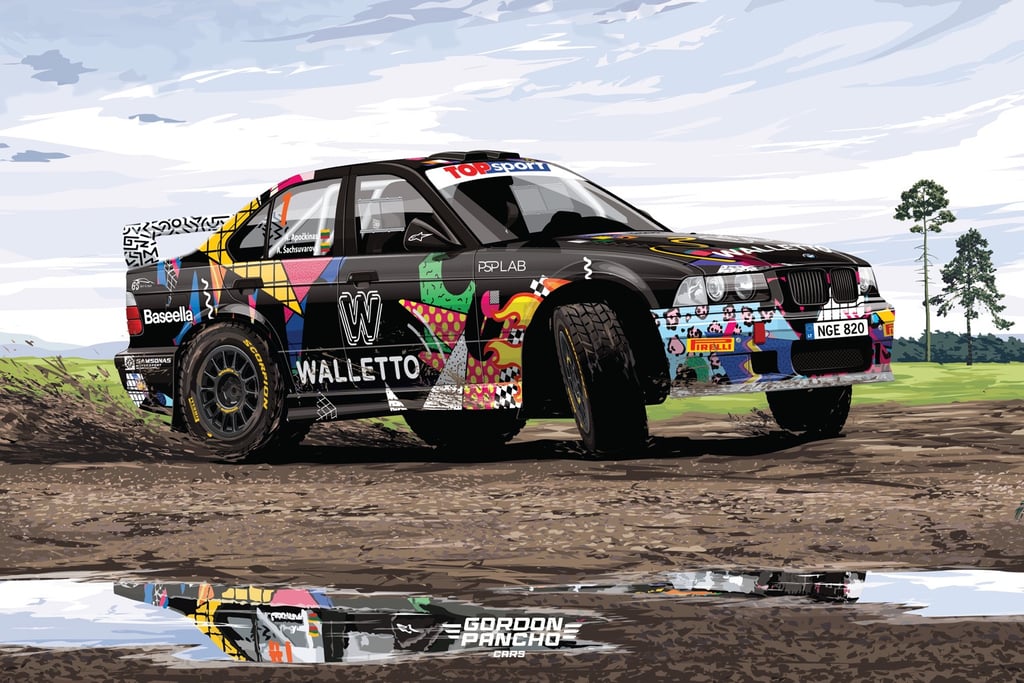
TorqArt: Your use of shading, reflections and highlights produces an exceptionally clean look. How did you develop your style?
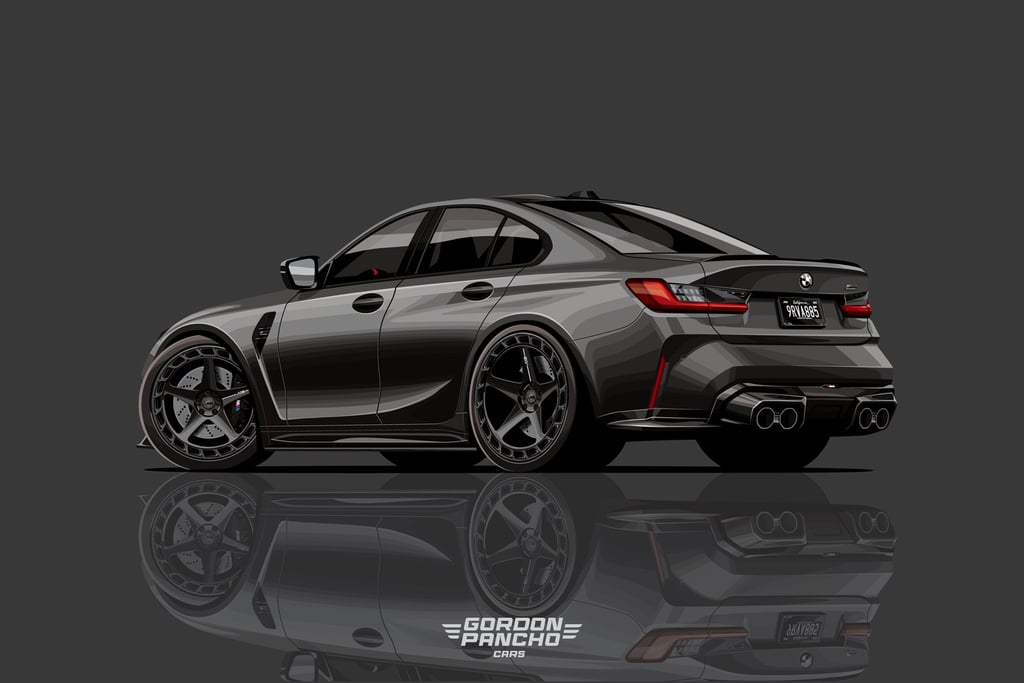
GP: That happened very gradually. In the beginning, the drawings were much simpler and more basic — they barely had any shading or highlights (I just didn't know how to do better at the time), and even fewer details.
As I kept working and learning more and more about Adobe Illustrator, I was adding and improving things little by little every day, and most importantly, I started to understand how light behaves on a metallic surface, whether the paint is metallic or not.
Understanding that was crucial to creating a sense of realism rather than actual realism. If someone were to analyze those shadows and highlights, they'd probably find them physically incorrect on some level, but they work, and that's the only thing that matters to me.
TorqArt: With so much inspirational art available online, it’s easy for new artists to imitate others. What advice would you give to someone trying to move past their influences and find their own unique style?
GP: Well, I think imitation is something natural. Generally, we don't invent anything entirely new — we always start from something that already existed before.
Then, to develop your own style, it's really just a matter of practicing, practicing, and then practicing some more. It takes time. It's not something that happens immediately, at least not in my case.
What is important, though, is having a clear idea of what you want to achieve. In my case, it was creating friendly-looking cars with proportions that weren't too exaggerated, without falling into classic caricature. You need to stay focused on that clear idea of what you want to achieve.
TorqArt: Good advice!
In an era where generative AI can output flawless automotive imagery in seconds, your work stands out for its deliberate, human-centric distortion. What is the secret to maintaining human authenticity in a world consumed with AI generated art?
GP: Well, I think the 'secret' is what I mentioned before — I try to make sure that most of what I draw comes from actually observing an image, not tracing, not cutting corners, and not looking for the easy way out.
That said, I'm sure I've lost quite a few clients because of AI, people who no longer need me. But on the other hand, the ones who remain are those who truly value my style and prefer having a real person behind the art.
TorqArt: Yes building that client-artist relationship is definitely key to long-term success.
What are the most satisfying and challenging aspects of your work?
GP: If it's a car I really like, one of my favorites, the satisfaction is complete. But honestly, the truth is I'm never fully satisfied with what I do. I can be for a while, but then I start noticing mistakes, little things I don't like.
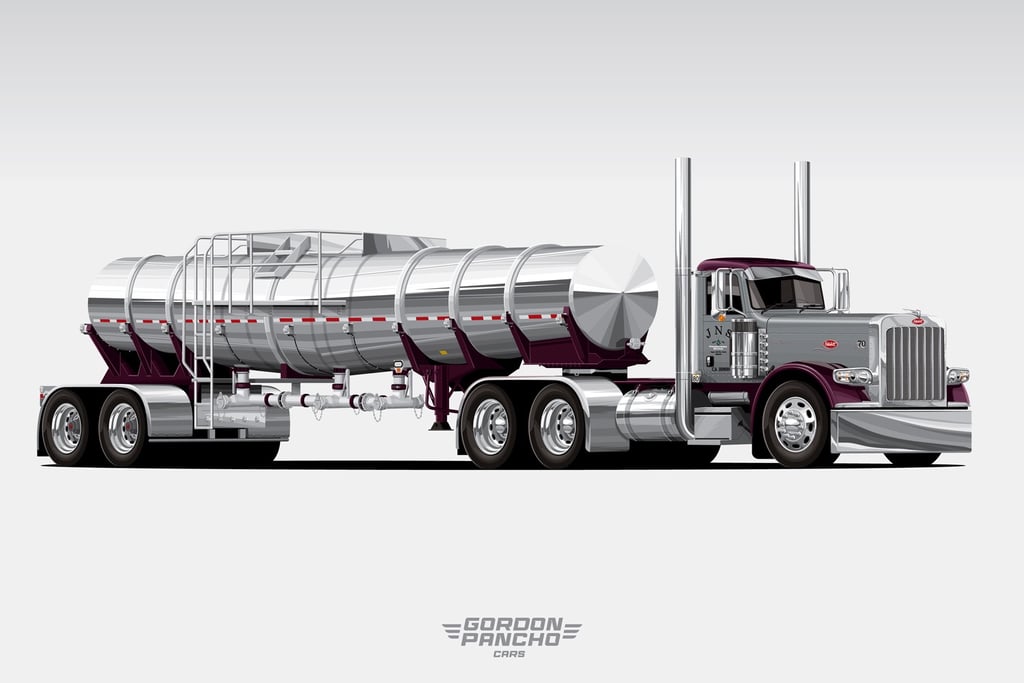
That said, there have definitely been pieces that were difficult to execute because of how complex the vehicle was (I remember a truck packed with details and chrome elements), or sometimes simply because clients send me very blurry photos, which makes it hard to see the details clearly and makes the work much more difficult.
TorqArt: Looking back at your body of work and your achievements, what has been the most rewarding aspect of your career?
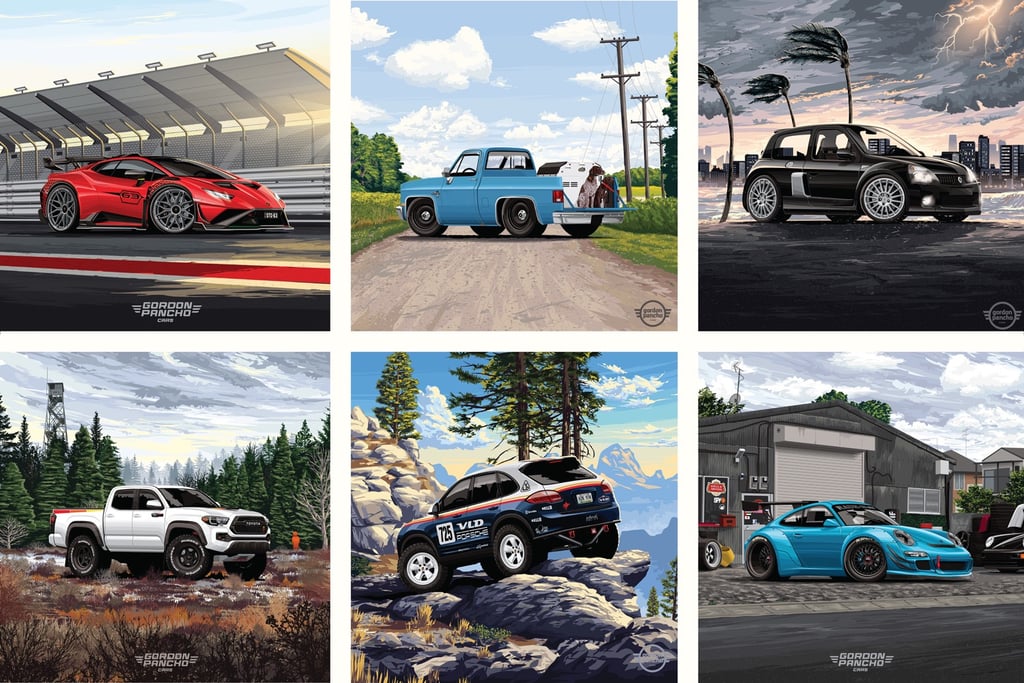
GP: The most rewarding thing has been, without a doubt, being able to do 100% what I love. I never imagined I could actually make a living simply by drawing cars and landscapes (let's not forget that a big part of my art also focuses on drawing the settings and backgrounds — something I also love).
TorqArt: What are your goals for the future? Is there a ‘dream car’ that you have yet to tackle?
GP: My goal would be to diversify my business, not depend 100% on commissions. I'm currently working on a poster line that I want to launch for sale soon.
Since I mostly rely on commissions, I generally draw whatever the client asks for, and there's one car I always hoped someone would request, but that commission never came — a Skyline R34.
I've drawn several R32s, R33s, and R35s, but for some reason no R34 owner has taken an interest in my art yet. But I'm tired of waiting, so I'm just going to draw for my own enjoyment.
TorqArt: Yes, you definitely should!
Thank you, Gordon, it’s been a pleasure chatting with you, and we wish you all the very best with the launch of your poster line.
Check out Gordon’s Instagram page to see more of his fantastic creations… https://www.instagram.com/gordon_pancho_cars/

