
The Guardian of ‘Cars’: A Conversation with Pixar’s Jay Ward
For any car-nut, Jay Ward has one of the coolest jobs in the world. As Pixar’s resident car expert and Creative Director of Franchise, Jay is known as the ‘Guardian of the Cars franchise’—a role that bridges authentic automotive heritage with fantasy character design and ensuring the creative integrity of the Cars world across films, theme parks, and consumer products. But Jay’s influence extends far beyond his day-to-day job at Pixar. He is a passionate curator of car culture, a founder of the legendary ‘Pixar Motorama’, and a regular judge at prestigious events like the Pebble Beach Concours d'Elegance. We caught up with Jay to discuss his journey at Pixar, the creative process of character design, and his advice for artists who aspire to get a job at the world’s most prestigious animation studio.
ANIMATIONMOVIESFEATURED
TorqArt
4/1/202619 min read
TorqArt: Can you tell us about your journey as a ‘car guy’ and your path to working at Pixar?
JW: I have always been into old cars and old motorcycles. My father was a car wholesaler who would buy cars, fix them up, and sell them again, so, that was always in my blood, although when I was young, I didn’t think that'd ever be working at a place where I could get to use my love of automobiles in my job.
I started at Pixar as a PA (production assistant) in the art department, which was an entry level role, working on Monsters Inc. Two or three years into the film, somebody said, you know, there's this new project about little cars, and it seems like something you'd like.
At the time, I drove a chopped 49 Lincoln Cosmopolitan Coupe and a 56 Ford truck to work, so they knew I was definitely a car person.
Jonas Rivera (my manager at the time) showed me some files for what was then called ‘The Little Yellow Car’. This was the early development stuff before the story of Cars came together, so, I said, yeah, I think I'd like to work on this. So, after Monsters Inc, I was one of the 1st production people pulled onto Cars.
John Lasseter (who directed Cars) really was smart about finding the right people to work on a project—he understood my knowledge of automobiles, and he really pulled me into the project, deferring to me for authenticity on the car related things. So that's how it all came together, and I was what I call the ‘car-sultant’ for the 1st Cars film. ;)
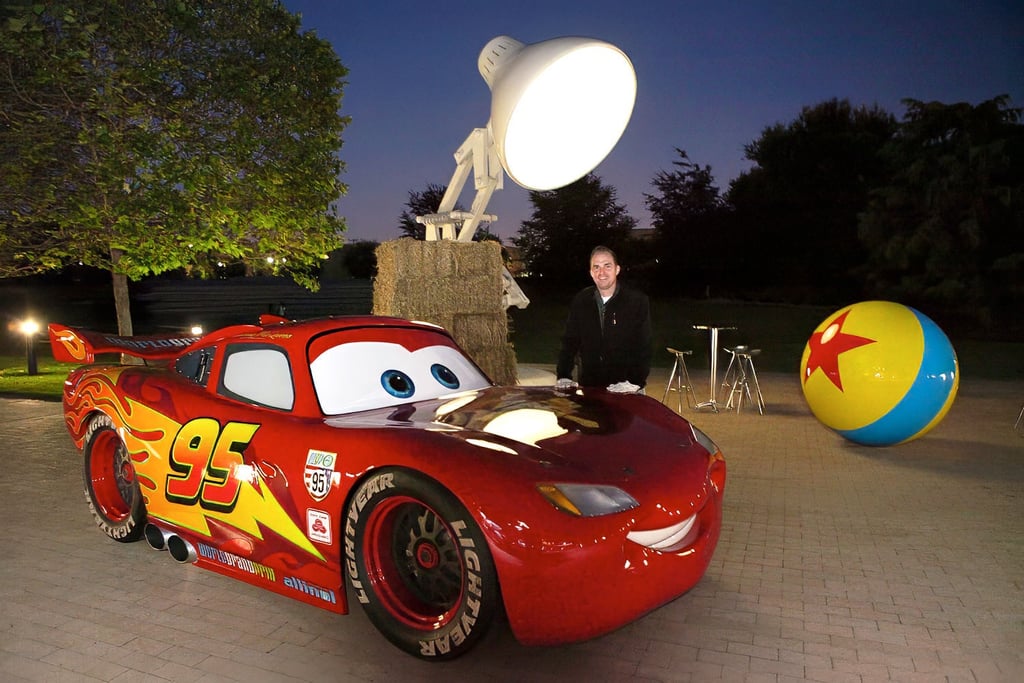
JAY WARD WITH ‘LIGHTNING MCQUEEN’
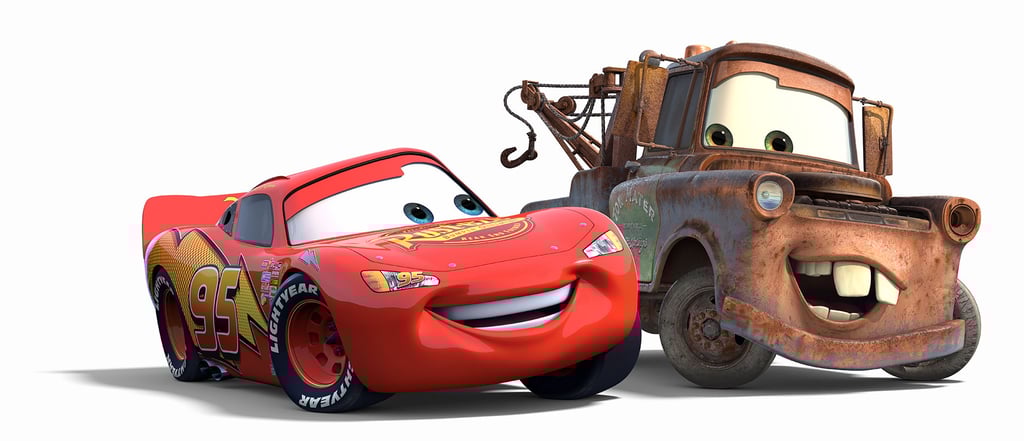
‘LIGHTNING MCQUEEN’ AND 'MATER'
TorqArt: As ‘Creative Director of Franchise’, you’ve been called the Guardian of the ‘Cars’ Franchise—what does your role entail and what does it mean to you?
JW: After we made the movie Cars, like any studio, you set it down and you move on to the next one, and you don't really think about maintaining it as a franchise per se, because, you know, you've gone onto the next film.
At the time I was managing the art department on ‘Brave’, and John came to me and he said, “I want you to oversee Cars as a brand”, and I said, “well, I don't think I can do that and manage an art department”, so he asked me write down what it would be like to manage Cars as a whole, so I wrote, video games and consumer products and publishing, and all those types of things.
We realised pretty quickly that Cars had this life beyond the movie, and part of it was the consumer products—the toys and video games, but we also built ‘Cars Land’ at Disney California Adventure Park, so we had this ecosystem that kept growing, and basically, the request of me was, because you worked on the movie, you know ‘Cars’, and you know what's authentic—can you oversee Cars and maintain it as a brand to make sure that it doesn't go off the rails?
A big part of that was just looking over everything for authenticity—you know, what would these characters really do—what would they really do as cars, and how do we continually serve up what people love about Cars in a meaningful way that feels authentic?
Cars was so big, especially around 2012 for ‘Cars 2’…it was just massive. It was a full-time role for quite a while, which I still do today, taking care of almost all the creative decisions. They'll come back to me and ask, is this something we want to do—is this the right thing for ‘McQueen’ or, is this the right thing for ‘Cars’? So, I always try to help with that.
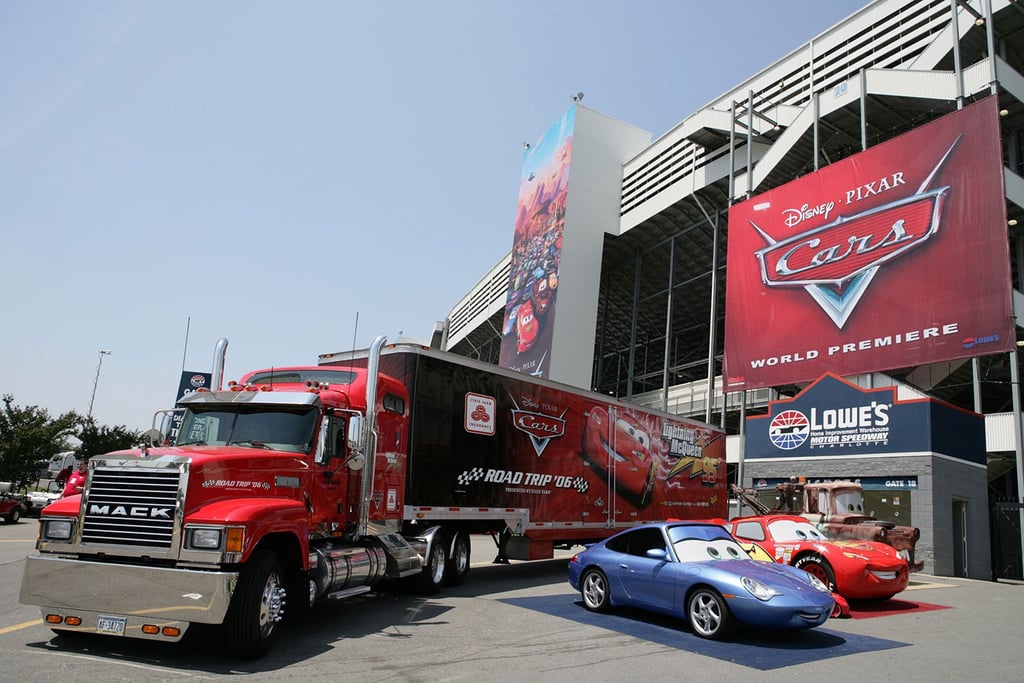
SETTING UP FOR CARS WORLD PREMIER 2006
TorqArt: How has your personal interest in car culture placed you in a unique position for your role at Pixar, and helped inspire or shape the production of Cars movies?
JW: You know, as we started digging into car culture and subcultures of cars, I was able to sort of steer us into more authentic directions. So, for instance, looking at low rider culture for ‘Ramone’ and saying, you know, he really should be on 13-inch Truespokes and he should have hydraulics—these kinds of things.
As we got into ‘Cars 2’, we started looking at international cars—casting the vehicles in the background. I really wanted to have the Fairlady Z in the background for Japan, and I wanted to have a Nissan Figaro parked on the streets of London, even though it's a Japanese car. When you go to London, you always see Nissan Figaro's—little nerdy things like that that really make the car people go, ah, you know, they got that right!
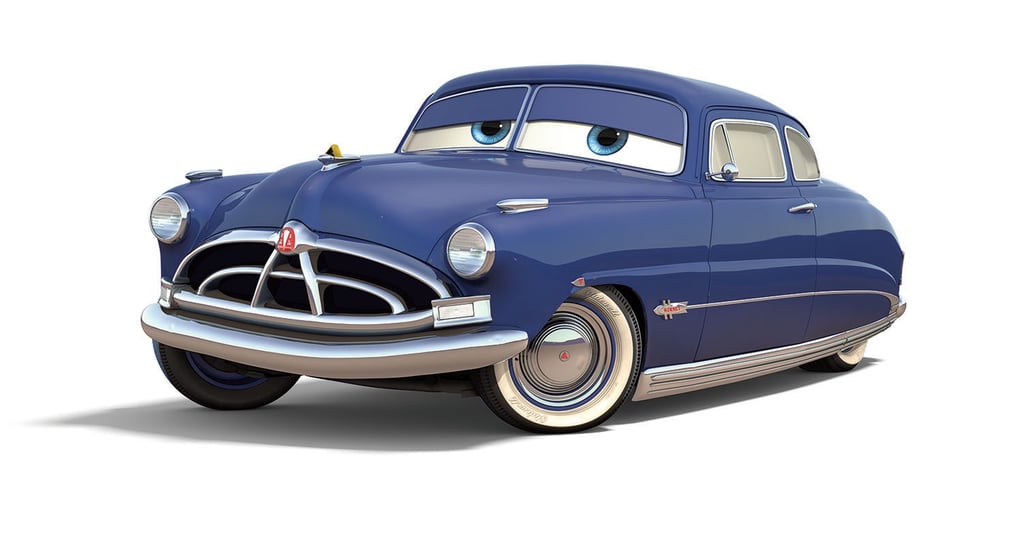
The Hudson Hornet had Firestone cross-cut dirt track tires—the correct tires that that car would have ran on dirt track. I think it's those little details that sort of make the world feel more holistic.
You know, if you notice in the movies, there's no sidewalks, because they drive everywhere, right? All the entrances are wide instead of tall because it's a car, and they're consumables—they drink gasoline and oil, so everything is seen from a car's perspective.
‘Luigi’ is a is a shoe salesman, right? …because he's selling tires (as shoes), so his shop is set up like a fancy Italian shoemaker would set up his shop.
So, you know, thinking about everything from a car's perspective is something that we do with the films to help make them fun.
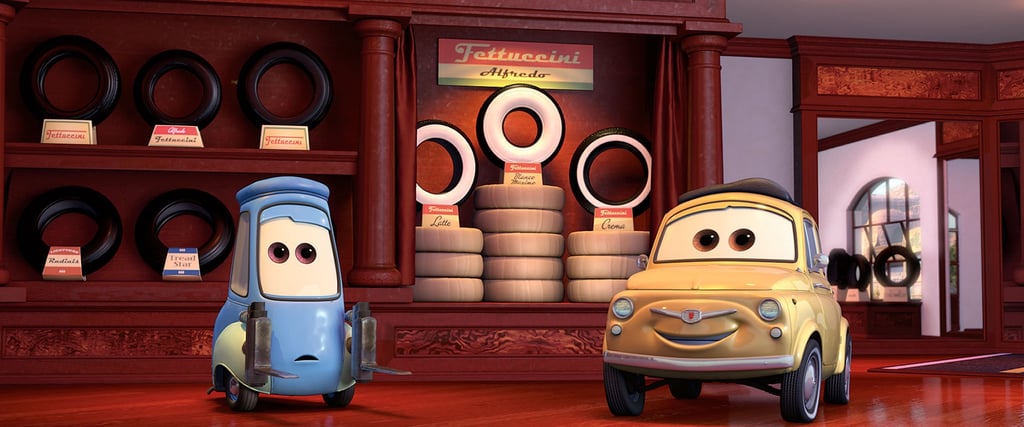
‘LUIGI’S SHOP’
TorqArt: I understand that you helped choose the car models for many of the Cars characters—do you find it easier to match the personality of a character to a specific car, or vice versa?
JW: It's always a mix. On the 1st Cars film, we were really interested in the stories of vehicles. So, for instance, ‘Sarge’ (the World War II Jeep), we read these stories about how resilient the Jeep was during World War II. This vehicle was like a beloved part of the family to army soldiers, and you know, if the Germans happened to get their hands on a U.S. Army Jeep, they would repurpose it because it was just the most stout, amazing vehicle, which they also loved.
So that was a story that we built into Sarge. And then, of course, his personality is he's uptight and raises the flag every day and does reveille—so we put him next door to a hippie, and the hippie had to be a Volkswagen bus because that's what everybody drove to Woodstock. So sometimes, it's this sort of vehicle that encapsulates a personality.
Other times (as with ‘Lightning McQueen’ or with ‘Mater’), its in-house design. Bob Pauley, (who's a brilliant character designer—designer of ‘Buzz Lightyear’), is also very much a car guy.
Bob designed ‘Lightning McQueen’, and he took this amalgam of a NASCAR, Can Am sports car, a muscle car, and a Ford GT, and sort of brought them all into this one vehicle of ‘McQueen’. It's our own design, and you feel like you've seen it before, but you really haven't.
With ‘Doc Hudson’ it's kind of like, oh, yeah, that's really a Hudson Hornet …but oh, that's ‘Mater’— he’s just an old American pickup truck! I think is a nice blend of in-house and real-world licensed vehicles.
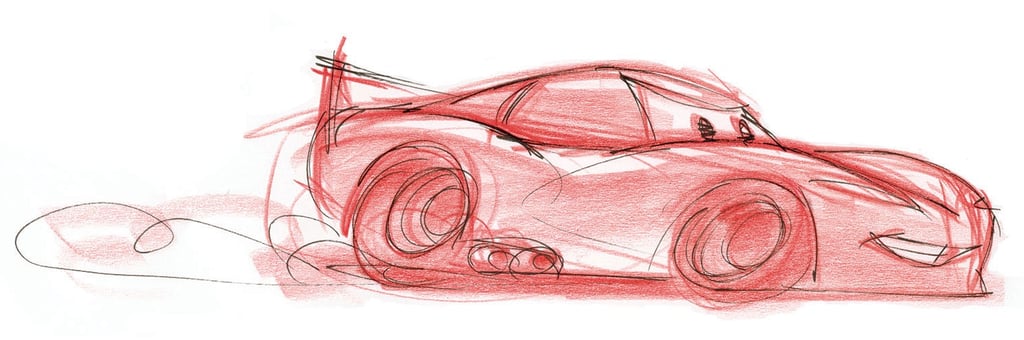
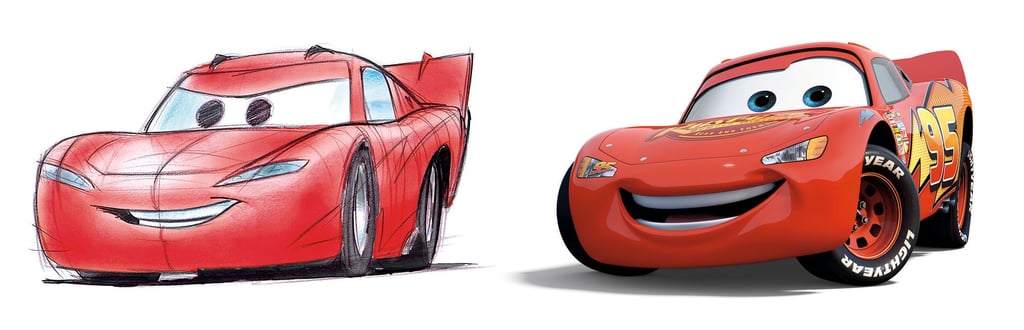
'LIGHTNING MCQUEEN' CONCEPT ART
TorqArt: Did you face any challenges turning the ‘cool’ vehicles (that you wanted in the movie) into characters?
JW: We definitely saw some very cool cars along the way that we wanted to turn into characters, and sometimes the design fights you a little bit. I'll give you an example. ‘Sally’ was originally going to be a 60s era Mustang, and that's why she was called ‘Sally’. The name was ‘Mustang Sally’, like the song. But the problem is the 60s Mustangs have these very wide horizontal grills, so every time we saw Sally in the scene, she looked a bit like Tom Selleck’s moustache from Magnum PI, and it just didn't work.
So, we looked at the Porsche, which has no radiator grill in the front. It's this nice, smooth, rounded opening, and we realised the 911 was the perfect vehicle to cast for Sally. She's fast—a quick sports car, but she has a really beautiful kind of feminine shape …and that's how ‘Sally’ became a Porsche instead of a Mustang.
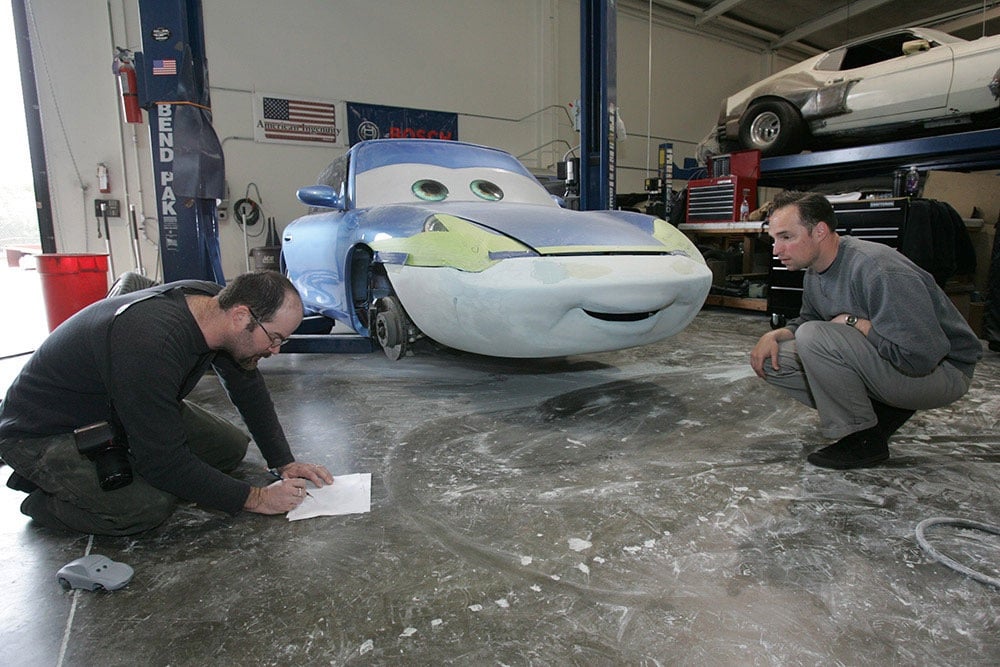
‘SALLY’ (FULL SIZE BUILD) - EDDIE PAUL (LEFT) WITH JAY WARD (RIGHT)
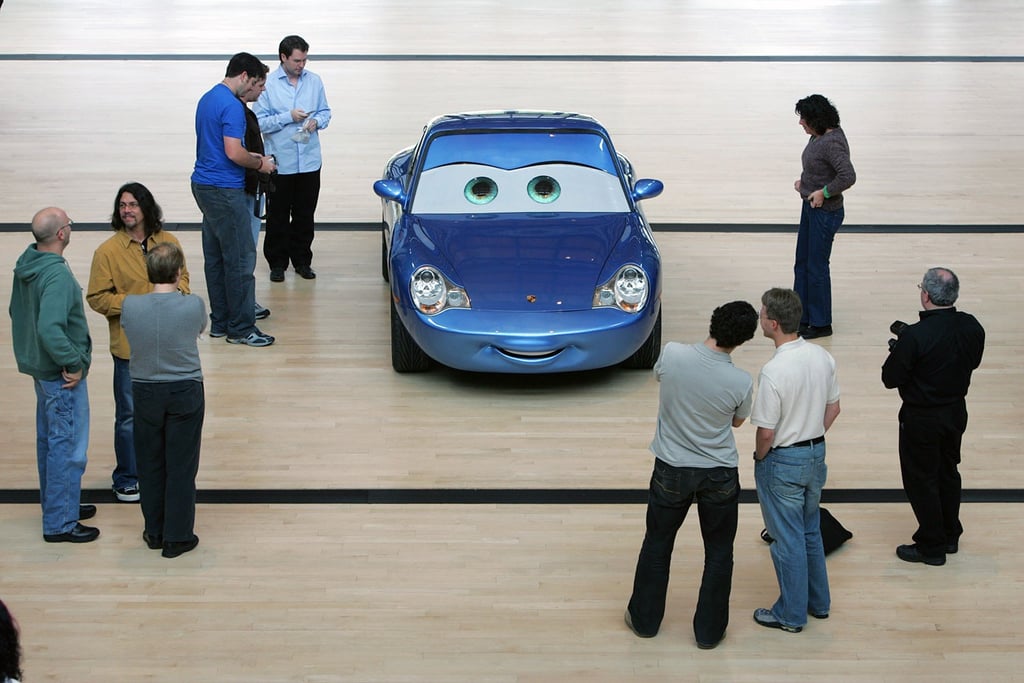
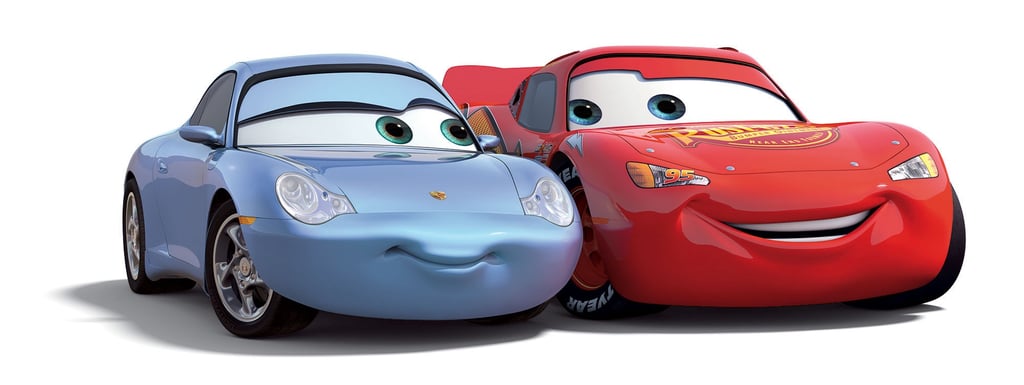
TorqArt: How did you arrive at the decision to use the windscreen for eyes rather than the headlights, and how did that decision change the anatomy of the characters?
JW: That's really important because at the time we were making Cars, people in the US were seeing these television commercials for Chevron fuel stations, which had these sort of Claymation vehicles. The eyes were in the headlights, and the mouth was down in the bumper (where we had put ours), and it was fine, but when you put the eyes down low with the bumper, the whole face is down low, it's bit like the body of a snake. When the face is all down in the front moving around, as soon as you move to the side, you can't see the face anymore. It just goes away, right?
What we really took inspiration from was a Walt Disney short called ‘Susie, The Little Blue Coupe’, from 1952. In this short, Bill Peet had done the eyes in the windscreen, and the mouth was way down front. By putting the eyes in the windscreen, it's more like the head of a horse or a dog, and you can keep a bigger range of motion, and it really opens the whole thing up. With the eyes back and the mouth forward, it just makes the whole thing like a head, so you can get much more of a range of acting.
‘SALLY’ AND ‘LIGHTNING MCQUEEN’
TorqArt: Of all the characters from Cars, which is your favourite and why?
JW: I get this question a lot, and I always go back to ‘Doc Hudson’, and there are a few reasons why. One, it's the last voice that Paul Newman did in a film before he passed away, and he really was that character. Paul Newman was a heck of a race car driver, and although he didn't start racing till he was in his 40s, he was quite a natural.
So, when he got into playing this part, he would read lines from the script and say, “no, that's not what he would say” or “no, that's not what he would do”, so John said to him, “well, say it the way you would”. So, most of those lines you hear of Doc Hudson, that's Paul Newman just being himself as a gruff race car driver, and it's so special to me.
It's also cool because Hudson was a mentor to McQueen. He was such a character, who helped McQueen understand the lineage of racing, and the passive racing, and racing on the dirt and all those natural aspects of racing that the younger generation could learn from the older generation.
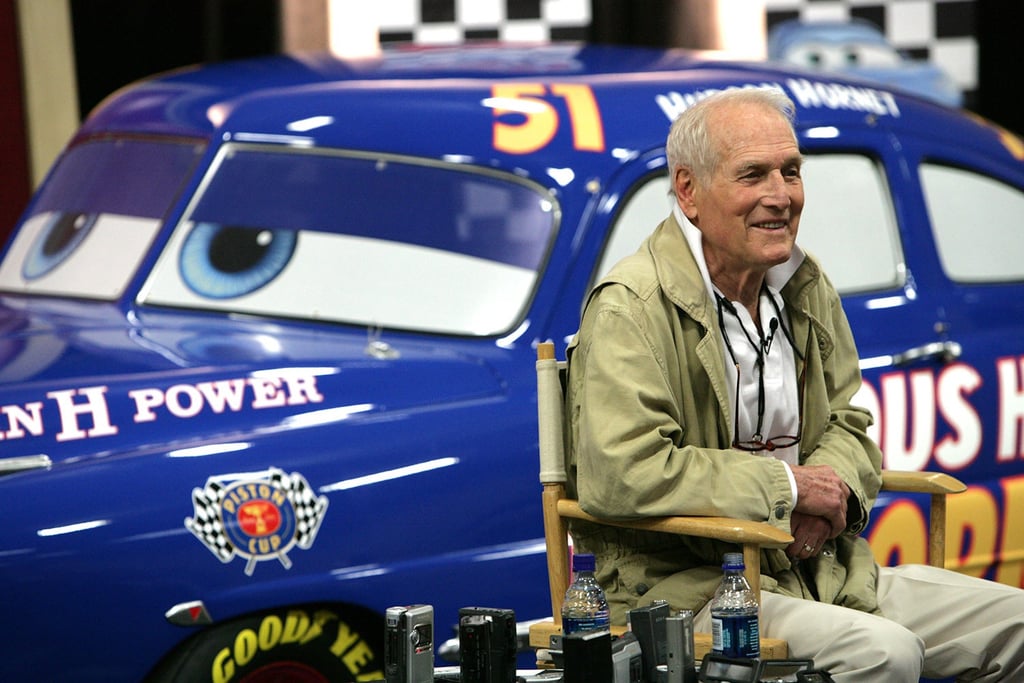
ACTOR PAUL NEWMAN AND ‘DOC HUDSON’
TorqArt: What is your personal favourite Pixar project to date, and what made it so special or challenging?
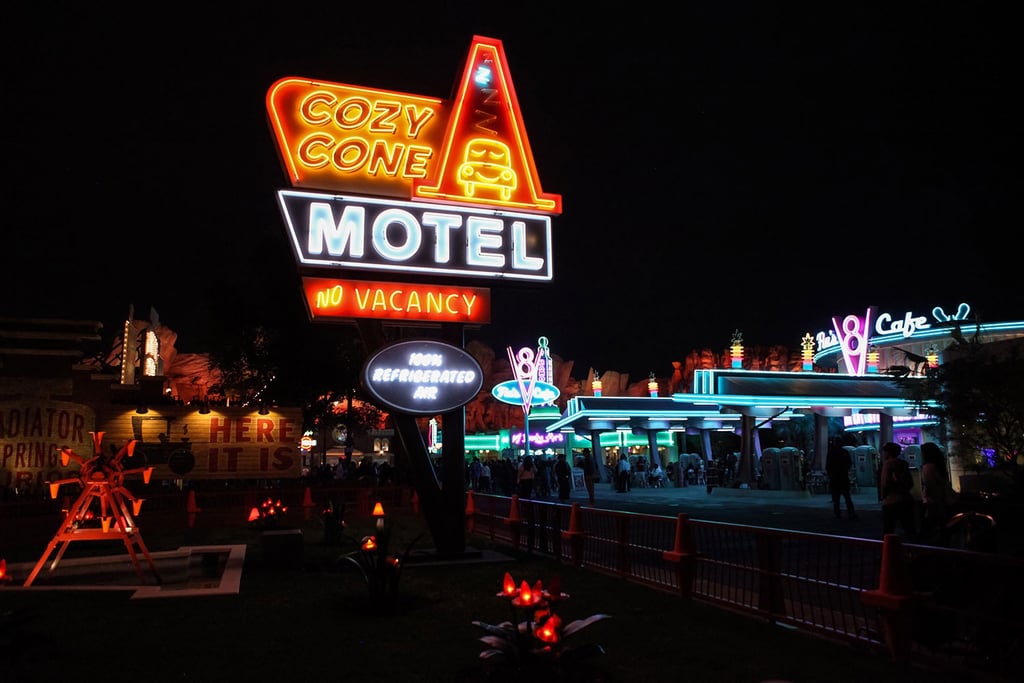
JW: I got to work on a lot of cool things over the years, but I think probably, outside of our studio, working on ‘Cars Land’ (Disney California Adventure Park) was pretty special to me because that was 5 years of our life. We broke ground on that in 2007, and it opened in 2012. It was the most immersive, detailed land that Disney had added in many years, and it really changed the whole dynamic of the park—so many people wanted to go to Cars Land. It did increase the attendance for that park for years, so it set the standard for an immersive world. When you walk in, you feel like you're in the movie, Cars Land was the first time that we'd really done anything to that level, so that was a very special, very challenging project, but very special for me.
DISNEY CALIFORNIA ADVENTURE PARK ‘CARS LAND’
TorqArt: Isn't there an area of the Petersen Automotive Museum dedicated to Cars?
JW: Yeah, we have a life-size ‘Lightning McQueen’ inside the Petersen Automotive Museum, which I fought to have that put in there, because typically, Disney would prefer for their intellectual property to live within a Disney park. I argued that Lightning McQueen belonged in the Petersen Automotive Museum because he's part of the automotive world, and my goal is to legitimise the film Cars as a real car film.
For a little child and their father or mother to go to that museum, they appreciate the car for either the design or the history, and I think there's a generation of kids that grew up having a love of the automobile from watching the movie Cars that asked to have a car instead of a laptop computer or an iPad.
You know, we were speaking earlier about F1. Isack Hadjar and Liam Lawson both cited the movie Cars as their inspiration for wanting to be an F1 driver.
TorqArt: Oh, wow! That’s an impact!
JW: Yeah, that movie influenced young kids to want to be a race car driver. That's pretty cool, right? Daniel Suarez (NASCAR driver) said the same thing. He said he had a ‘Lightning McQueen’ poster on his wall as a kid and dreamed of being McQueen someday. That's amazing!
TorqArt: Tell us about your own cars and what you would like to own next.
JW: So, right now I’ve got four old cars and a bunch of old motorcycles and scooters, but I am always kind of looking for what I would get next. I always have a short list of the cars—if budget was no issue, and then there's the cars that are maybe almost obtainable (if you sold a few things), and then that list of cars I could buy that tomorrow.
TorqArt: …and your dream car with ‘unlimited’ budget?
JW: Oh, if it's unlimited budget. I've always loved the Ferrari 250 GT Lusso. I think that's one of the prettiest Ferrari’s they ever made, and I wouldn't mind having one of those.
TorqArt: Nice! Personally, I love the Ferrari 250 TR.
JW: Yeah, the late 50s, pontoon fenders. I like the Bizzarrini of that era too, they were really beautiful cars. I mean, if it wasn't if it wasn't the James Bond trope, I think the DB5 is beautiful, but I would hate to have that car and then have everybody say, yeah, it's the James Bond car. No, no, no, no.
TorqArt: The ‘Pixar Motorama’ sounds like a fantastic event. Can you tell us why you founded it and how it’s going?
JW: Yeah, we have so many great events at Pixar, and I realised there was a lot of people that had old or interesting cars, and so around 2001, I basically said, why don't we have a company barbeque and picnic and gather all the cars together here and put them on the lawn on display?
Employees only—not open to the public. So, we created this ‘Pixar Motorama’, kind of based on the old General Motors Motorama name. I got a little budget to have stands made, and I put 70s and older cars on one side, and 80s and newer cars on the other, but right across the street was Fantasy Junction—this place that sells very high-end cars, and they said, well, we could bring some cars over.
So, we ended up having a 300 SL and an Alfa TZ, and some exotic cars on display, along with our employee cars. Then we started having manufacturers saying, you know, if you want, we can bring a concept car, a one-off car. We didn't mind because we had this relationship with them from the Cars movie, so they began to show up. And then Jay Leno started bringing cars, and then it just turned into this really very special event that we did for a number of years.
We had the life-size ‘McQueen’ and ‘Jackson Storm’ the year that Cars 3 came out (2017). Jay Leno brought the jet powered car one year. We had a ‘Burning Man’, a gigantic snail that shot flames out of its nostrils …we had so many incredible cars and it's been a lot of fun, I mean, you name it, we had it!
This year is the 20th anniversary of Cars, so it might be a good year to bring back the Motorama.
TorqArt: That sounds like a fantastic idea!
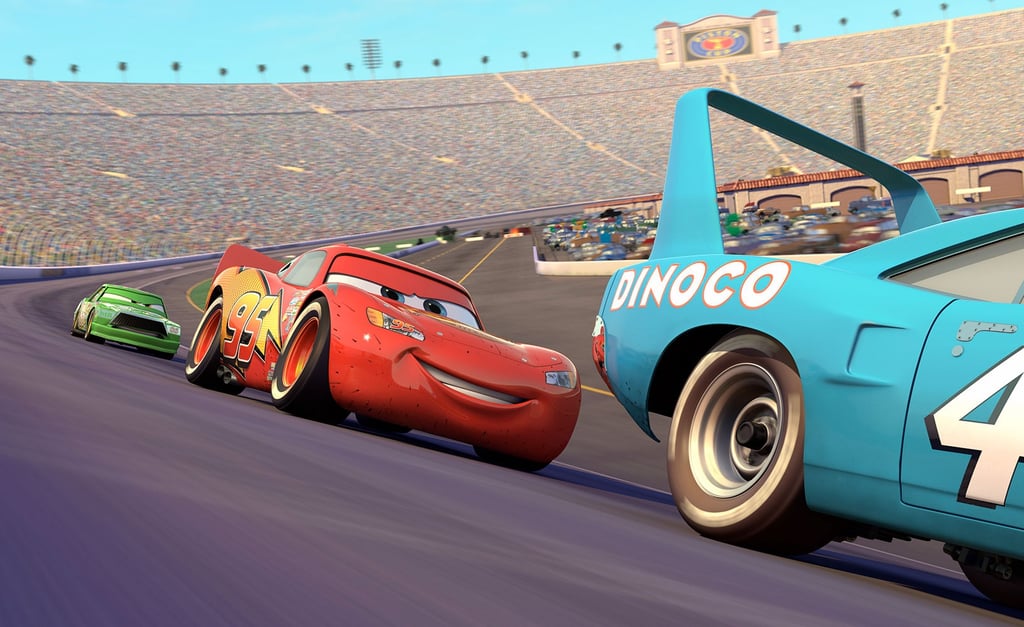
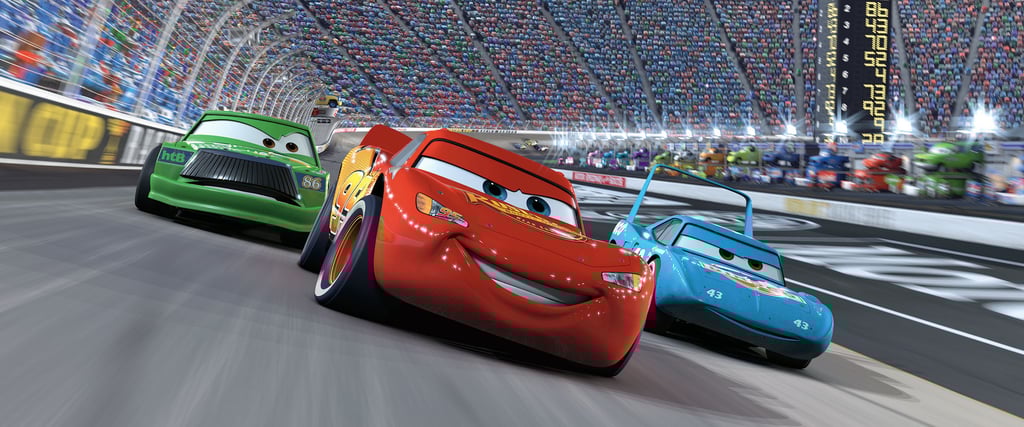
'LIGHTNING MCQUEEN’ DOING WHAT HE DOES BEST
TorqArt: I understand that you are regularly invited to judge at prestigious events like the Pebble Beach Concours d'Elegance, how did that come about?
JW: Well, first of all, it's an insane honour to be able to judge at Pebble Beach, so that's pretty special. It started because Fantasy Junction gave me a call one day and said, there's a gentleman over here with his wife and they wanted to come visit Pixar, could you show them around? I have a good relationship with them, so I said, okay. It was Bill Warner, the gentleman who ran the Amelia Island Concours in Florida, and he said, oh, you're a car guy, so we start talking about E.T. Gregorie—the guy who designed Mercury's and Fords in the late 40s, and he said, “oh, I had the I had the Edsel Ford Speedster”.
After geeking out about cars, he's like, oh, okay, you're a real car guy, and asked if I have ever judged a Concours d’Elegance? I said “no”, and he said, “I think I'd like to have you judge at Amelia Island next year”. I said, okay, and I thought he was just being kind …but the next day, his assistant called me and said, Mr. Warner said that you're going to be joining us to judge at Amelia Island. I got put with Hurley Haywood, a multiple Le Mans and Daytona winner, who was my co-judge.
The next year (2016), I got invited to Judge at Pebble Beach. I walked in the judge’s room, and in there was Tom Tjaarda (the guy who designed the Fiat 124 and the Pantera), Jacky Ickx and Jackie Stewart! I’m thinking, how, how did I get here? It just didn't make any sense—total imposter syndrome!
TorqArt: Working at Pixar is viewed as a dream job for many. What do you look for in an artist’s portfolio, and what advice would you give to artists who aspire to work at Pixar?
JW: Very good question again. You know, it is competitive. A lot of people want to work at the studio, and often you get people who say, “I just want to work at Pixar—I don't care, I'll do anything, I’ll sweep the floors” …but that's not actually who we want.
We want the person who says, my ambition is to be a character designer, and I've studied character design, it’s what I love to do, and we need to see their ability to draw characters.
You need to possess two different skills. You can draw a ‘known’ character very well, but there's a 2nd ability, and that is to create your own character from scratch. Some people can draw other people's ideas but can also come up with great ideas. When you have somebody who has both, that’s a very special combination. I think that that's the key.
The other thing I've seen is technical people at Pixar becoming more creative, and creative people are becoming more technical. You know, when I started, it was like there was the tech guys with the PhDs and then there was the artist, you know, with their shoes untied and a coffee stain on their shirt. And those two worlds have really come together a lot over the last 20 years.
We have such a special culture Pixar because you ‘like’ the people you work with, and that is a really special thing. I've worked at places where there's nice people and there's jerks, and there's egomaniacs, but Pixar is very unique in that people like being together and working together. There are no (for the most part) egos and there's no, ‘I'm better than this person’ …it's just not how it works there. When somebody comes in has that sense of ‘entitlement’, they usually don't last at the studio, because culturally it's just not the way we operate.
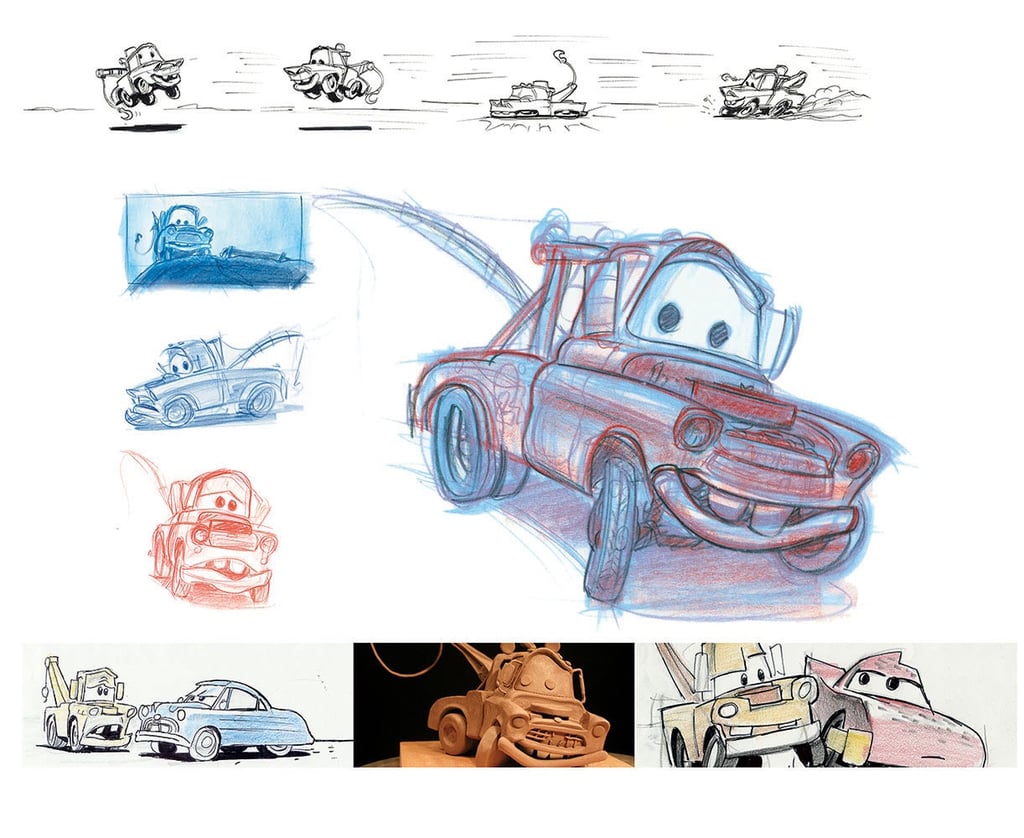
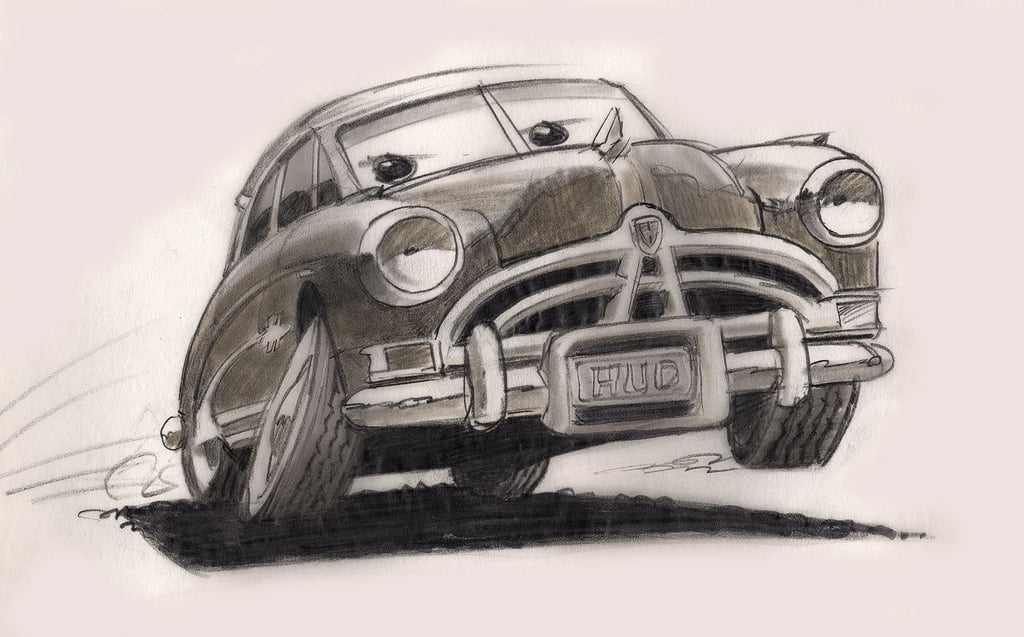
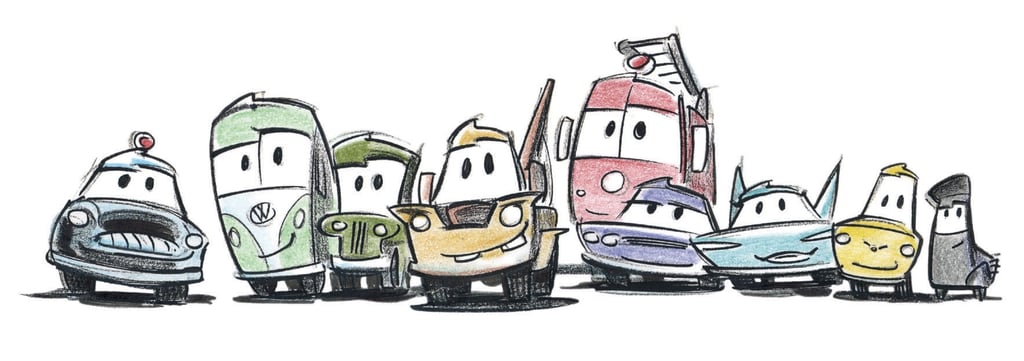
CHARACTER CONCEPT ART
TorqArt: How has technology influenced Pixar over the years?
JW: I mean, technology is what our studio was really built on, and I think we were always a technology driven entertainment studio as opposed to the other way around—and that's why Steve Jobs had this interest in us back then. We have this ability to create something and filmmaking was a way for us to showcase this. The rendering and graphic technology that we had, really, was a way to tell stories.
If you look back at ‘Toy Story’, they told us, you cannot make a full-length feature CG film. It's not going to work, it's not going to look good, it's not going to hold up - it's gonna be too complex. But we were able to do it. When we made Monsters Inc, Sullivan had soft dynamic hair that could move when Boo would hug him—again, they’re like, it’s probably impossible, you know, not something you want to do.
So, the technology has always been there pushing us to say, ‘what's possible’, right? We are storytellers and we use the technology to tell those stories, and I think there's always going to be a point of the technology inspiring us to go, wait, we can do that now and how can we showcase that in the movie? I think that's the beautiful balance of what we have—art and technology working together. On Cars, it was chrome, the difficulty of rendering shots with chrome reflections was hard at first. Really hard.
TorqArt: From your perspective, how do you foresee the future of animated film creation, taking into consideration the impact of AI for generating visual content?
JW: This is another question I get a lot now, you know, it's a tool, right? It's a means to an end. I don't think that AI was ever meant to replace creativity. I don't think it's ever meant to tell an original story or create an original character—a lot of what you see is regurgitative. As we move into a future with more technology, you're always going to benefit from it—it's going to make some things faster, or maybe it'll make some things easier …or it’ll make somebody's job less redundant. That's a great thing.
I don't think that we'll ever allow it to usurp the creative process. That's not something we would ever use it for, although, I think AI is still the Wild West and we're still figuring out what exactly it is, and how it can be used (as a whole) in the entertainment industry. But, you know, what I've seen so far (generated from AI) is not compelling because I can tell it's just stealing from other people's things and sort of mixing it up in a bowl and splashing it back on you. I don't think that's really what Pixar is interested in doing.
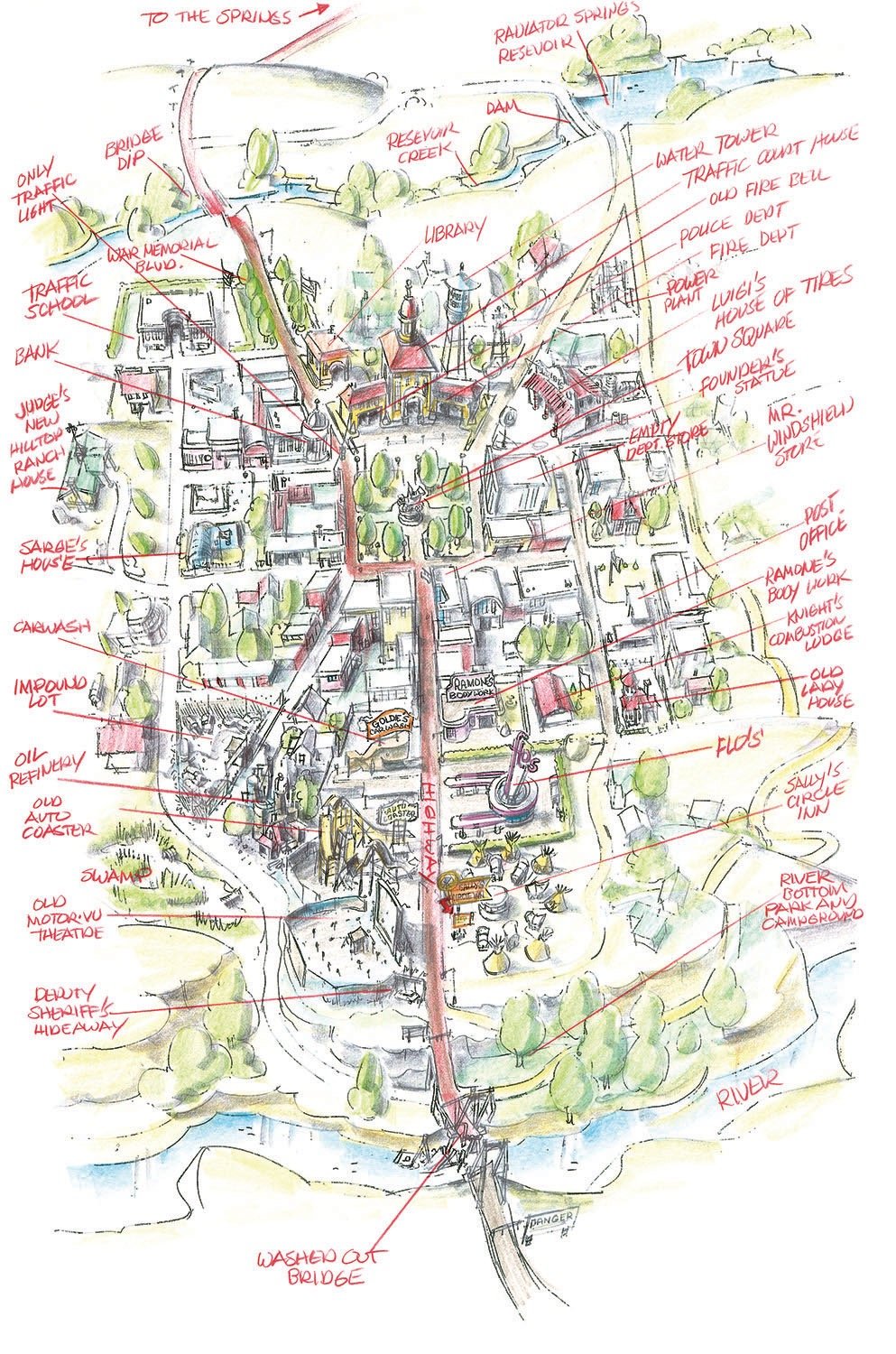
'RADIATOR SPRINGS' CONCEPT ART
TorqArt: Tell us what it is like working at Pixar, and what has been the most rewarding aspects of your career there?
JW: Everybody says this when they leave the studio, but it is the people that you work with. You are you are totally surrounded by so many wonderful, creative, kind, smart, innovative people that it's humbling. It's really humbling.
I feel so fortunate to work there because I've got to see that growth through the years, and the pride of seeing what you've made on the screen and seeing how it touches people's lives.
I'm in Japan right now and we just open an exhibit called the ‘Mundo Pixar Experience’ here in Tokyo. It's incredible to see people cry when they walk into a room from a film that we made and you realise how you've touched people's lives, you know—there's not many jobs that you can say that you've really done that.
To be a part of people's childhood or knowing that your films have given somebody hope when they had a medical issue, that's special.
So that's definitely the best part to me—that we've left the world a little bit better than we found it maybe.
TorqArt: What is your next big challenge …career-wise and personal?
JW: The big challenge career-wise is, we're now 20 years into Cars—where do we take Cars from here? What do we do next? The exciting thing for me is that Cars is now becoming generational, the way ‘Toy Story’ is. You know, Toy Story is 30 years old!
You have parents with children that grew up watching Toy Story …and now those children have kids of their own. We're just getting to that point with Cars now. At 20 years, you have little kids who are now in their late mid to late 20s that are starting families. That's an exciting challenge …how do we continue to serve up Cars and where do we take the story next? That's exciting to me.
We have to keep telling new, fresh original stories, and yet we need to keep these beloved evergreen films alive in a meaningful way for people. You can't just keep making sequels forever—you have to have original films too. So that's the trick for us, that balance between sequels and originals.
TorqArt: Any personal projects?
JW: I have a live action film idea that I developed about motorcycle board track racing. Back in the teens and 20s, they raced motorcycles on wooden tracks, with no brakes and no clutch, and they were going over 120 miles an hour on 1000cc bikes—Harleys and Indians. I know it doesn't sound real, and that's why it's a great idea for a film. I started researching this a long time ago and going, man, this is such a fascinating world, so I wrote a live action film idea for that. So that's a little passion project of mine that I hope will come to life someday.
TorqArt: That sounds like a very cool idea for a film, and we wish you all the very best with the project.
It's been an absolute pleasure chatting with you today Jay—a huge thank you for taking the time to talk shop with TorqArt …enjoy the Suzuka F1 race and the rest of your stay in Japan.
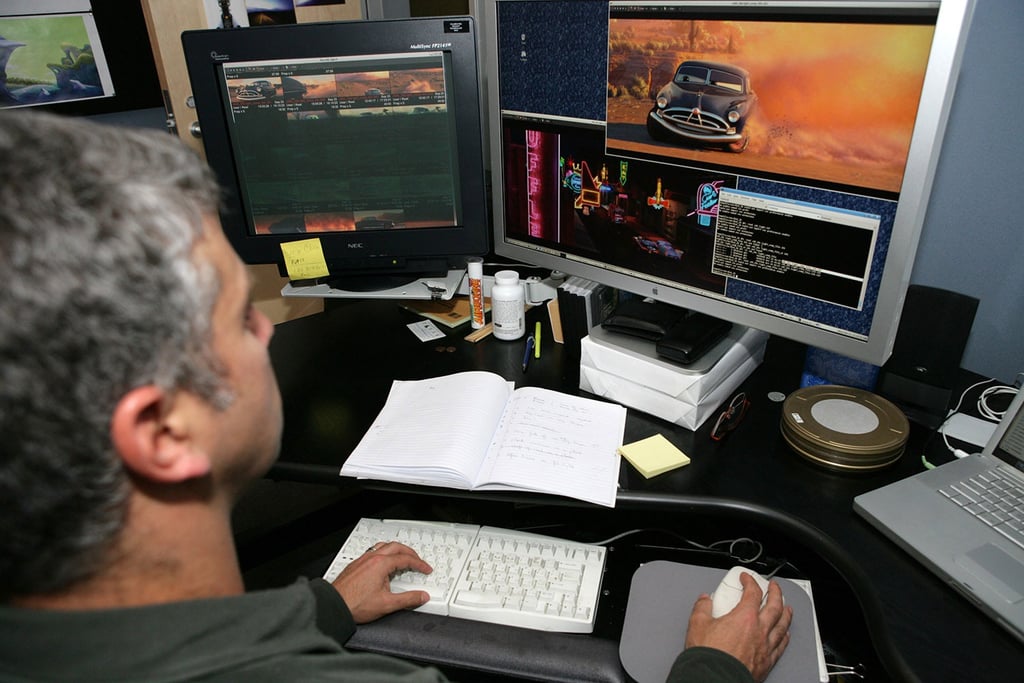
BEHIND THE SCENES EDITING
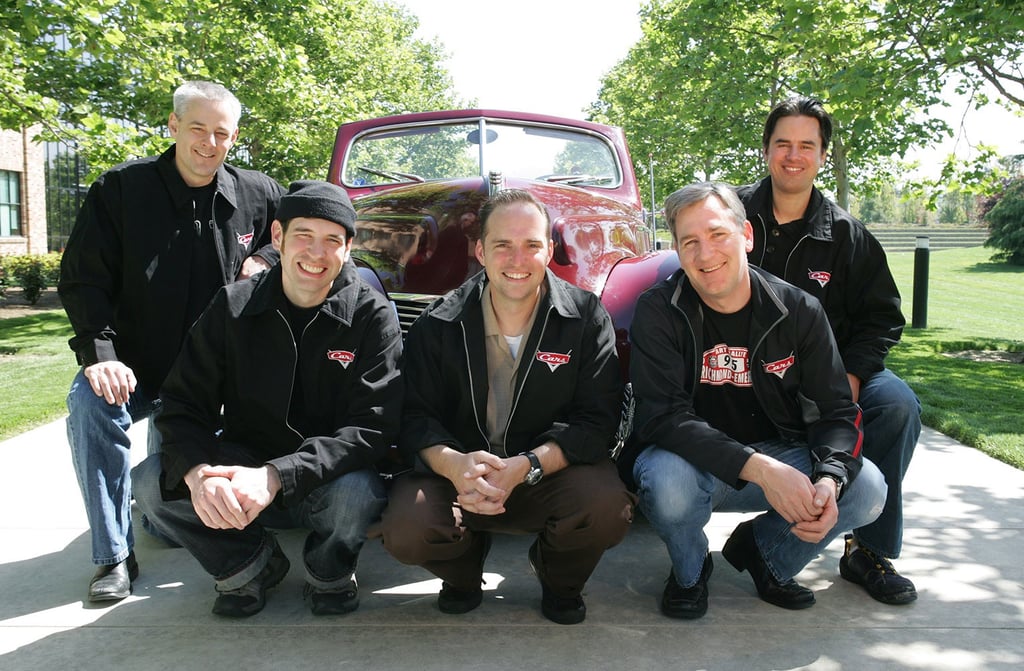
JAY WARD (CENTER)

